


AUGUST 21, 2024
Best Forklift for Warehouse Operations


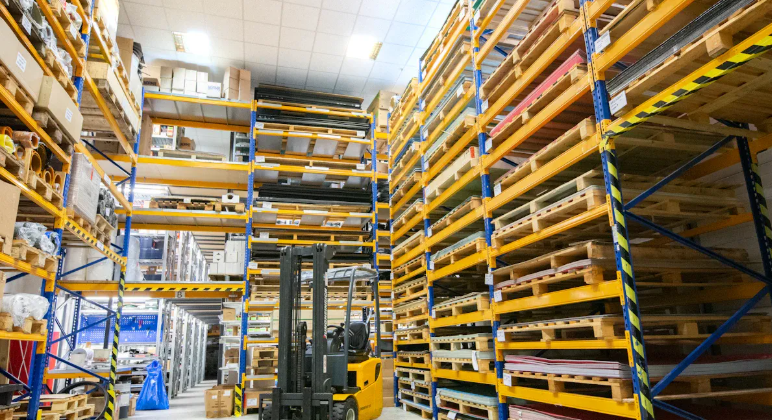
Looking for the best forklift for warehouse operations? Choosing the right forklift is crucial for safety and efficiency. Warehouses face challenges like tight spaces and heavy loads. In this post, you’ll learn how to select forklifts that boost productivity and ensure safe material handling.
Key Features to Consider for the Best Forklift for Warehouse
Load Capacity and Its Importance in Warehouse Operations
Load capacity is the maximum weight a forklift can safely lift and transport. In warehouses, choosing a forklift with the right load capacity is critical. If the forklift’s capacity is too low, it risks overloading, which leads to equipment damage and safety hazards. Too high a capacity might mean unnecessary extra cost and reduced maneuverability. Most warehouse forklifts handle loads between 1.5 to 5 tons. Match the forklift’s load capacity to your heaviest typical loads to maintain safety and efficiency.
Maneuverability in Narrow Aisles and Compact Spaces
Warehouses often have tight aisles and limited space. Forklifts must navigate these areas without difficulty to keep operations smooth. Look for forklifts designed with compact frames and tight turning radii. Three-wheel electric forklifts or reach trucks offer excellent maneuverability in narrow aisles. Also, consider forklifts with responsive steering and good visibility for the operator. The right maneuverability reduces travel time and risk of collisions or damage to inventory and infrastructure.
Energy Efficiency: Electric vs Diesel Forklifts
Energy type influences operating costs, maintenance, and suitability for indoor use. Electric forklifts are favored indoors due to zero emissions, quieter operation, and lower maintenance needs. They run on batteries, which require regular charging but cost less to operate daily. Diesel forklifts, on the other hand, are powerful and better suited for outdoor or heavy-duty tasks. They consume fuel and emit exhaust, making them less ideal inside warehouses. Consider your warehouse environment and energy costs when choosing between electric and diesel.
Reliability and Maintenance Requirements
A forklift’s reliability affects uptime and productivity. Choose models built with quality materials and proven engineering to withstand continuous use. Check for ease of maintenance—forklifts with accessible parts and straightforward servicing reduce downtime. Regular maintenance schedules and availability of replacement parts are essential. Brands with strong service networks and support can help keep forklifts running longer and more efficiently.
Safety Features and Compliance Standards
Safety is paramount in warehouse operations. Forklifts must comply with OSHA, ISO, or other regional safety standards. Look for features like anti-tip systems, automatic braking, load backrests, and ergonomic operator controls. Some models include stability controls and operator presence sensors. These reduce accident risks and protect both workers and goods. Investing in forklifts with advanced safety features can lower injury rates and insurance costs.
After-Sales Support and Warranty Considerations
After-sales service impacts long-term forklift performance. Reliable brands offer comprehensive warranties covering parts and labor. They maintain accessible service centers and provide technical support. Good after-sales support ensures quick repairs and availability of genuine parts. This minimizes downtime and extends forklift lifespan. When selecting a forklift, consider the manufacturer’s reputation for customer service and warranty terms.
Tip: Prioritize forklifts that balance load capacity, maneuverability, energy efficiency, and safety features to optimize warehouse operations and reduce total cost of ownership.
Top Forklift Brands for Warehouse Operations

Selecting the best forklift brand can make a huge difference in warehouse efficiency and reliability. Here’s a breakdown of some top brands known for their quality, service, and suitability for warehouse work.
Mitsubishi: Energy-Efficient and Ergonomic Models
Mitsubishi forklifts combine Japanese precision and smart design. Their models often feature energy-saving technology, helping reduce operating costs. Ergonomics get special attention, improving operator comfort and reducing fatigue. These forklifts handle medium to large warehouse loads well and include advanced safety features like automatic braking and curve control. While their dealer network may be smaller in some areas, Mitsubishi’s strong customer support and competitive pricing make it a solid choice for warehouses focused on energy efficiency.
Toyota: Renowned for Reliability and Safety
Toyota forklifts have a reputation for durability and consistent performance. Built under the Toyota Production System, they deliver high quality and reliability. Their safety features, such as the System of Active Stability, help prevent accidents. Toyota offers a wide range of models, including electric, LPG, and diesel forklifts, fitting various warehouse needs. Though their initial price is slightly higher, Toyota’s extensive service network and excellent resale value justify the investment.
Hyundai: Cost-Effective and Comfortable Forklifts
Hyundai forklifts appeal to budget-conscious buyers without sacrificing reliability. They balance power, efficiency, and operator comfort, often featuring modern cabins and ergonomic controls. Hyundai’s warranty coverage and service support are strong, making them a great option for light to medium warehouse tasks. While they may lack some ruggedness or high-tech features found in premium brands, their value and performance make them a popular choice.
Crown Equipment: Leading Electric Forklift Solutions
Crown specializes in electric forklifts designed for indoor warehouse use. Their compact, efficient machines focus on operator comfort and safety, featuring ergonomic controls and award-winning safety systems. Crown’s parts availability and dealer network support maintenance needs well. Although their electric models tend to have a higher upfront cost, the lower operating expenses and zero emissions make them ideal for high-volume warehouses and distribution centers.
Hyster-Yale: Rugged and Versatile Options
Hyster-Yale forklifts are built tough for demanding environments like ports, construction sites, and industrial warehouses. They offer advanced telematics and operator-assist features, enhancing productivity and safety. Their strong service network supports maintenance and parts availability. While some models consume more fuel and have bulkier designs, their versatility and ruggedness suit heavy-duty warehouse operations.
Big Joe: User-Friendly Electric Forklifts for Indoor Use
Big Joe focuses on electric forklifts that are simple to operate and maintain. Their machines emphasize lithium-ion battery technology, reducing downtime and maintenance costs. Big Joe forklifts offer competitive pricing for small to medium indoor warehouses and retail distribution centers. Though their product lineup is smaller and less suited for heavy outdoor use, their user-friendly design and reliable support make them a great choice for indoor material handling.
Komatsu: Durable Forklifts for Mixed Indoor-Outdoor Use
Komatsu brings heavy equipment expertise to forklifts, producing machines that endure tough conditions. Their forklifts have rugged construction, long engine life, and easy serviceability. Komatsu offers electric and hybrid models, though fewer than some competitors. These forklifts fit well in outdoor or mixed-use warehouses needing durable, reliable lifts. Their service network is growing but may be less dense in some regions.
Clark: Affordable and Reliable for Small to Mid-Sized Businesses
Clark is a pioneer in forklift manufacturing, offering over 300 models focusing on durability and ease of maintenance. Their forklifts balance cost and reliability, making them suitable for small to mid-sized warehouses. Clark’s straightforward design simplifies servicing, supported by a wide dealer network. While their technology and cabin design may be more basic, their affordability and dependable performance appeal to businesses seeking practical solutions.
Tip: Choose a forklift brand that aligns with your warehouse’s specific needs—consider load capacity, energy type, and service network—to maximize uptime and reduce total ownership costs.
Comparing Electric and Diesel Forklifts for Warehouse Use
Advantages of Electric Forklifts in Indoor Warehouses
Electric forklifts are the top choice for indoor warehouses. They produce zero emissions, making them safe for enclosed spaces without advanced ventilation. Their quiet operation reduces noise pollution, creating a more comfortable work environment. Electric models also require less maintenance since they have fewer moving parts and no need for oil changes or fuel filters. Battery-powered forklifts offer smooth acceleration and precise control, improving operator efficiency. Plus, modern lithium-ion batteries shorten charging times and extend runtime, reducing downtime.
When Diesel Forklifts Are More Suitable
Diesel forklifts excel outdoors or in heavy-duty applications. They provide more power for lifting larger loads or navigating rough terrain. Diesel engines run longer on a full tank compared to battery charge cycles, making them better for continuous, extended shifts. In warehouses with open-air loading docks or outdoor storage, diesel forklifts offer flexibility and strength. However, their exhaust emissions and noise levels make them less practical indoors, especially in confined or poorly ventilated spaces.
Operating Costs and Maintenance Differences
Electric forklifts typically cost less to operate daily. Electricity is cheaper than diesel fuel, and electric models have fewer parts subject to wear. This translates to lower maintenance costs and less frequent repairs. Diesel forklifts require regular oil changes, fuel filters, and engine tune-ups, which add to operating expenses. Battery replacement for electric forklifts is a significant cost but usually occurs after several years. Overall, electric forklifts offer a lower total cost of ownership in indoor settings, while diesel forklifts may incur higher fuel and maintenance expenses.
Environmental and Noise Considerations
Electric forklifts produce no direct emissions, helping warehouses meet environmental regulations and reduce their carbon footprint. Their quiet operation also protects workers’ hearing and lowers noise-related stress. Diesel forklifts emit exhaust gases, including particulates and nitrogen oxides, which can harm air quality. They also generate more noise, potentially requiring hearing protection for operators. For companies prioritizing sustainability and worker well-being, electric forklifts are the preferred option.
Choosing the Right Power Source Based on Warehouse Needs
Selecting between electric and diesel depends on your warehouse's size, layout, and operational demands. For mostly indoor warehouses with tight aisles and ventilation limits, electric forklifts are ideal. They enhance safety, reduce costs, and support green initiatives. If your warehouse includes outdoor areas or heavy lifting tasks, diesel forklifts provide the necessary power and endurance. Consider fuel availability, shift length, and maintenance capabilities when making your decision. Sometimes, a mixed fleet of electric and diesel forklifts best meets diverse operational needs.
Tip: Evaluate your warehouse environment and workload carefully to choose between electric and diesel forklifts, balancing efficiency, cost, and safety for optimal performance.
Factors Influencing Forklift Reliability and Total Cost of Ownership
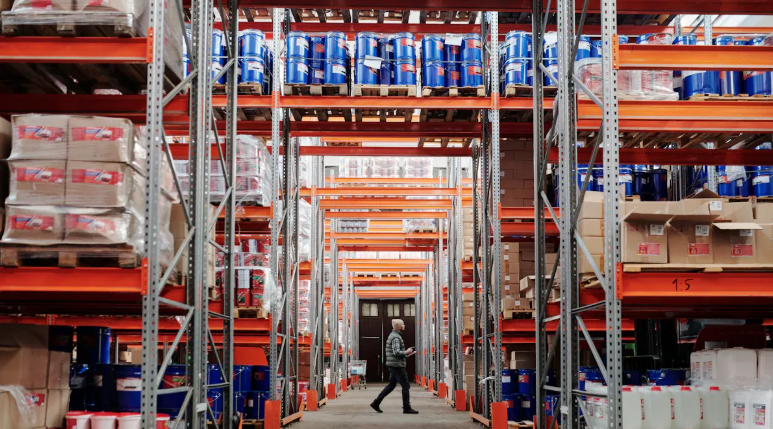
Build Quality and Durability in Warehouse Environments
Forklifts face tough conditions daily—heavy loads, constant use, and sometimes harsh environments. A forklift’s build quality directly impacts its reliability. Machines made from high-strength steel frames and robust components resist wear and damage better. Durable hydraulic systems and reinforced masts help avoid breakdowns during heavy lifting. Rust-resistant coatings and quality paint protect forklifts from corrosion, especially in humid or dusty warehouses. Choosing forklifts built to handle your warehouse’s specific conditions reduces unexpected failures and keeps operations running smoothly.
Availability of Replacement Parts and Ease of Maintenance
Downtime often results from waiting on parts or complicated repairs. Forklift brands with widespread parts availability help minimize this. Easy-to-access components and modular designs allow technicians to service forklifts quickly. Some manufacturers provide detailed manuals, online support, and diagnostic tools that simplify maintenance. Regular upkeep becomes less time-consuming and costly when parts arrive fast and repairs are straightforward. This availability is crucial for warehouses that rely on continuous forklift operation to meet tight schedules.
Impact of After-Sales Service and Warranty Support
Good after-sales support is a key factor in forklift reliability over time. A strong service network ensures quick response times for repairs and maintenance. Comprehensive warranties covering parts and labor reduce unexpected expenses. Some brands offer preventive maintenance programs and training to keep operators and technicians informed. Reliable customer service builds trust and helps extend the forklift’s lifespan. When evaluating forklifts, consider the manufacturer’s reputation for support and how accessible their service centers are to your location.
Balancing Purchase Price with Long-Term Operating Costs
The initial forklift price is just one part of the total cost of ownership (TCO). Operating costs include fuel or electricity, maintenance, repairs, and parts replacement. Cheaper forklifts may have lower upfront costs but higher fuel consumption or frequent breakdowns. Conversely, premium models might cost more initially but save money through energy efficiency and durability. Consider factors like energy type, expected lifespan, and maintenance frequency when budgeting. A forklift that balances purchase price and long-term costs offers better value and less financial risk.
Real-World Insights on Forklift Uptime and Productivity
Uptime is a critical metric for warehouse productivity. Forklifts that run reliably without frequent breakdowns keep workflows steady and avoid costly delays. Real-world user feedback often highlights brands known for consistent performance and minimal downtime. Efficient forklifts also improve operator satisfaction, reducing fatigue and errors. Some warehouses track maintenance records and repair history to identify models with the best uptime. Investing in reliable forklifts pays off through smoother operations and higher throughput.
Tip: Choose forklifts from brands with proven durability, accessible parts, and strong after-sales support to reduce downtime and control total ownership costs.
How to Choose the Best Forklift for Your Warehouse
Assessing Warehouse Layout and Aisle Width
Start by examining your warehouse layout carefully. Measure aisle widths and note any tight corners or narrow passages. Forklifts with a small turning radius, like three-wheel electric models or reach trucks, work best in tight aisles. If aisles are wide, you have more flexibility to choose larger forklifts. Also, consider ceiling height and storage configurations. A forklift that fits your space ensures smooth movement, reduces accidents, and maximizes storage density.
Determining Load and Capacity Requirements
Identify the heaviest loads your forklift will handle regularly. Forklifts come in various load capacities, typically from 1.5 to 5 tons for warehouses. Choose a model with a load capacity slightly above your maximum to prevent overloading and increase safety. Overestimating capacity can add unnecessary cost and reduce maneuverability. Also, think about load types—pallets, drums, or irregular shapes—as some forklifts handle certain loads better.
Evaluating Energy Type and Fuel Availability
Decide between electric and diesel forklifts based on your warehouse environment and energy resources. Electric forklifts suit indoor spaces due to zero emissions and quieter operation. They require charging stations and access to electricity. Diesel forklifts offer more power and longer run times, ideal for outdoor or mixed-use warehouses. However, they produce exhaust and noise, so ventilation is crucial. Consider fuel availability, operational shifts, and maintenance capabilities when choosing the power source.
Considering Budget and Total Cost of Ownership
Look beyond the initial purchase price. Factor in operating costs like fuel or electricity, maintenance, repairs, and battery replacements. Electric forklifts usually have lower daily operating costs but may have higher upfront prices. Diesel forklifts cost less initially but might incur higher fuel and maintenance expenses. Also, check warranty coverage and potential resale value. A forklift with a balanced total cost of ownership delivers better long-term value.
Importance of Dealer and Service Network Accessibility
Choose a forklift brand with a strong dealer and service network near your location. Quick access to parts and skilled technicians reduces downtime. Some brands offer on-site service, preventive maintenance programs, and operator training. A reliable support network ensures your forklifts stay in top condition and repairs happen fast. This is especially important for warehouses relying heavily on continuous forklift operation.
Matching Forklift Features to Operational Priorities
Finally, align forklift features with your warehouse’s specific needs. Prioritize safety systems if worker protection is critical. Choose ergonomic designs to reduce operator fatigue during long shifts. If energy efficiency matters, focus on electric models with advanced battery tech. For heavy or outdoor tasks, rugged diesel forklifts may be better. By matching features to priorities, you optimize productivity, safety, and cost-efficiency.
Tip: Before buying, list your warehouse’s unique requirements—space, load, energy, budget—and use this to guide your forklift selection for the best fit and performance.
Expert Insights and Industry Trends in Warehouse Forklifts
Current Market Leaders and Their Strengths
Several forklift brands dominate the warehouse market due to their proven reliability, innovation, and support networks. Toyota leads with its unmatched build quality and safety features, making it a favorite for warehouses prioritizing durability and operator protection. Mitsubishi stands out for energy-efficient and ergonomic models, ideal for medium to large warehouses aiming to reduce operating costs. Crown Equipment specializes in electric forklifts, offering compact designs and advanced safety, perfect for high-volume indoor operations. Hyster-Yale delivers rugged, versatile machines suited for tough environments, while Hyundai provides cost-effective options with solid warranties. Komatsu and Clark also serve niches, focusing on durability and affordability for mixed indoor-outdoor or smaller warehouse needs. Each brand brings unique strengths, so choosing depends on your specific operational requirements.
Emerging Technologies in Forklift Design
Forklift design is evolving rapidly. Lithium-ion batteries are replacing traditional lead-acid ones, offering faster charging and longer life. Telematics systems now provide real-time data on forklift performance, helping managers optimize maintenance schedules and reduce downtime. Operator-assist features like collision detection and automated speed control enhance safety and efficiency. Some manufacturers are integrating semi-autonomous and fully autonomous forklifts into warehouses, reducing labor costs and human error. Ergonomic improvements continue, focusing on reducing operator fatigue through adjustable controls and better visibility. These technologies help warehouses boost productivity and lower total cost of ownership.
Trends in Warehouse Automation and Material Handling
Automation is reshaping warehouse operations. Forklifts increasingly work alongside automated guided vehicles (AGVs) and robotic palletizers to streamline material flow. Integration with warehouse management systems (WMS) allows seamless inventory tracking and task assignment. Electric forklifts dominate automated environments due to their quiet operation and zero emissions. The rise of e-commerce and demand for faster order fulfillment drives adoption of narrow-aisle reach trucks and very narrow aisle (VNA) forklifts, maximizing storage density. Additionally, modular forklift designs allow easier upgrades and customization to keep pace with changing warehouse needs.
The Growing Role of Electric Forklifts in Warehousing
Electric forklifts are becoming the standard in warehouses worldwide. Their zero emissions improve indoor air quality and comply with stricter environmental regulations. Advances in battery technology, especially lithium-ion, reduce charging downtime and extend shift lengths. Electric models also lower noise pollution, creating a safer and more comfortable workplace. Many warehouses report significant savings on fuel and maintenance costs after switching to electric forklifts. Additionally, electric forklifts support sustainability goals, which is increasingly important for corporate responsibility and customer expectations.
How to Future-Proof Your Forklift Investment
To future-proof forklift investments, choose models with modular components and software update capabilities. Opt for brands that offer telematics and connectivity options to monitor fleet health remotely. Prioritize electric forklifts that support lithium-ion batteries or have easy battery upgrades. Ensure your dealer provides strong after-sales support, training, and preventive maintenance programs. Consider forklifts compatible with warehouse automation systems to integrate smoothly with future tech. Finally, evaluate total cost of ownership rather than upfront price—investing more initially can pay off through longer lifespan and reduced downtime.
Tip: Invest in forklifts with advanced technology and strong service networks to ensure your warehouse stays efficient and adaptable as industry trends evolve.
Conclusion
Selecting the best forklift requires balancing load capacity, maneuverability, energy efficiency, and safety features. Long-term reliability and strong after-sales support are crucial for minimizing downtime and controlling costs. Different warehouse needs call for specific forklift types, whether electric for indoor use or diesel for heavy outdoor tasks. Viewing forklift purchase as a strategic investment ensures optimized warehouse operations. ROYAL offers forklifts designed to deliver value through durability, advanced technology, and comprehensive service support. Choosing ROYAL means securing efficiency and reliability for your warehouse.
FAQ
Q: What is the best forklift for warehouse operations?
A: The best forklift for warehouse operations balances load capacity, maneuverability, energy efficiency, and safety features to optimize productivity and reduce costs.
Q: How do I choose the best forklift for warehouse use?
A: Assess your warehouse layout, load capacity needs, energy type, budget, and dealer support to select the best forklift for warehouse requirements.
Q: Why is maneuverability important in the best forklift for warehouse?
A: Maneuverability ensures the forklift can navigate narrow aisles safely and efficiently, reducing travel time and risk of damage.
Q: What are the benefits of electric forklifts as the best forklift for warehouse?
A: Electric forklifts offer zero emissions, lower operating costs, quieter operation, and are ideal for indoor warehouse environments.
Q: How do maintenance and after-sales support affect the best forklift for warehouse?
A: Reliable maintenance and strong after-sales support minimize downtime, extend forklift lifespan, and reduce total ownership costs.
Q: What is the price range for the best forklift for warehouse?
A: Prices vary by capacity and features, but consider total cost of ownership including purchase, maintenance, and energy costs for the best forklift for warehouse.
