


AUGUST 21, 2024
Electric Forklift vs Diesel Forklift: Which Is Better for Your Fleet?


Choosing between electric forklift vs diesel forklift can be tough. Which one suits your fleet best? Forklifts vary by power source and use. Picking the right type impacts efficiency and costs. In this post, you’ll learn key differences, benefits, and how to decide for your operations.
Performance Comparison: Electric Forklift vs Diesel Forklift
Load capacity differences and suitability for heavy-duty tasks
Diesel forklifts generally handle heavier loads than electric models. They often lift between 1.5 to 10 tonnes, making them ideal for rugged jobs in construction or large industrial sites. Electric forklifts usually lift from about 1.4 to 5.5 tonnes. This range suits many warehouse and indoor tasks but may fall short for the heaviest loads. However, electric forklift technology is advancing fast, with newer models closing the gap in capacity. For most operations, electric forklifts can meet or exceed load requirements, but diesel remains the go-to for consistently heavy-duty work.
Operational efficiency and productivity considerations
Electric forklifts excel in efficiency. They offer smooth acceleration, precise control, and require less downtime for maintenance. Battery charging, especially with lithium-ion tech, can be quick and even done during breaks (opportunity charging), boosting uptime. Diesel forklifts need fuel stops and more frequent maintenance, which can interrupt workflow. Still, diesel models can run longer shifts without needing to recharge, making them reliable for continuous outdoor use. Ultimately, electric forklifts reduce operating costs and improve productivity indoors, while diesel forklifts maintain steady performance outdoors.
Maneuverability and application environments
Electric forklifts are generally more compact and lighter than diesel ones, granting superior maneuverability in tight spaces. This advantage proves critical in narrow aisles, crowded warehouses, or sensitive flooring areas. They also produce zero emissions and less noise, ideal for indoor environments where air quality and quiet operation matter. Diesel forklifts, heavier and louder, suit outdoor settings better. Their robust engines handle uneven terrain and harsh weather conditions more effectively. Some electric models now offer weather-resistant features, but diesel forklifts still dominate rugged outdoor tasks.
Tip: When deciding between electric and diesel forklifts, match load capacity and maneuverability to your specific work environment to maximize efficiency and safety.
Cost Analysis: Total Cost of Ownership for Electric vs Diesel Forklifts
Initial purchase price comparison
Diesel forklifts usually come with a lower upfront cost compared to electric models. This is because diesel technology is mature and widely available, making these machines more affordable to buy initially. Electric forklifts, especially those with lithium-ion batteries, tend to have a higher purchase price due to advanced battery technology and electric drive components. However, the higher initial investment in electric forklifts often pays off over time through lower operating costs and maintenance savings.
Fuel and energy consumption costs
Fuel costs for diesel forklifts are generally higher and more volatile, depending on fuel prices. Diesel engines consume significant amounts of fuel, especially during heavy-duty or long-shift operations. In contrast, electric forklifts use electricity, which is typically cheaper and more stable in price. For example, an electric forklift may consume around 15 kWh per hour, costing roughly €3.00 per hour at average electricity rates, while a diesel forklift might consume 4 liters of diesel per hour, costing about €6.00 per hour. These figures highlight how electric forklifts can reduce energy expenses significantly.
Maintenance, repair, and downtime expenses
Electric forklifts have fewer moving parts and no combustion engine, which results in lower maintenance and repair costs. They don't require oil changes, fuel filters, or exhaust system repairs, reducing both parts and labor expenses. Electric motors and batteries need routine checks, but these are generally less costly and less frequent. Diesel forklifts, on the other hand, demand regular engine maintenance, including oil changes, filter replacements, and emission system upkeep, which add to downtime and service costs. Moreover, diesel engines are prone to more wear and tear, increasing the likelihood of repairs and operational interruptions.
Depreciation and residual value over forklift lifespan
Electric forklifts tend to retain a higher residual value after several years of use compared to diesel models. One reason is the growing demand for electric forklifts due to stricter environmental regulations and sustainability goals. After five years or around 10,000 operating hours, electric forklifts can hold about 40% of their original price, while diesel forklifts might retain only about 30%. This better resale value helps offset the higher initial purchase price. Depreciation rates also depend on usage, maintenance, and technological advancements, so keeping forklifts well-maintained is key to maximizing residual value.
Tip: When evaluating forklift options, consider total cost of ownership, not just the purchase price, to capture fuel, maintenance, and depreciation savings that electric forklifts often provide over diesel models.
Environmental Impact and Sustainability of Electric vs Diesel Forklifts
Emissions and air quality implications
Diesel forklifts emit exhaust gases like nitrogen oxides, carbon monoxide, and particulate matter. These pollutants degrade air quality and pose health risks, especially indoors. Poor ventilation worsens these effects, making diesel forklifts less suitable for enclosed spaces. In contrast, electric forklifts produce zero tailpipe emissions. They help maintain clean air in warehouses and factories, protecting workers and the environment. This difference is crucial as regulations tighten around emissions. For example, the EU Stage V standard limits diesel engine pollutants, pushing fleets toward cleaner alternatives.
Noise pollution and workplace safety
Diesel forklifts generate significant noise, often exceeding 85 decibels. Prolonged exposure can cause hearing loss and increase stress for operators and nearby workers. Noise also raises safety concerns by masking warning signals or communication. Electric forklifts operate quietly, typically around 60 decibels or less. This quieter operation reduces noise pollution, creating a safer, more comfortable workplace. Lower noise levels improve concentration and reduce fatigue, boosting overall productivity.
Compliance with regulations and future restrictions (e.g., EU Stage V)
Environmental regulations increasingly restrict diesel forklift use, especially indoors. The EU Stage V emissions standard enforces strict limits on diesel engine pollutants, requiring costly after-treatment systems. Some regions plan to ban new diesel forklift sales by 2030 to meet climate targets. These rules encourage fleets to adopt electric models or other low-emission technologies. Electric forklifts face no such restrictions and align well with sustainability goals. Investing in electric forklifts today can future-proof operations and avoid regulatory penalties.
Benefits of electric forklifts for green operations
Electric forklifts support corporate sustainability by reducing carbon footprints and energy use. They run on electricity, which can come from renewable sources like solar or wind, further lowering emissions. Their energy efficiency is higher than diesel engines, converting more input energy into work. Electric models also reduce waste by requiring less maintenance and fewer parts replacements. Many companies use electric forklifts to demonstrate environmental responsibility, improve brand image, and meet green certifications. This shift helps attract eco-conscious clients and employees.
Tip: Prioritize electric forklifts to improve air quality, reduce noise, and ensure compliance with evolving environmental regulations for a healthier, greener workplace.
Operational Considerations: Indoor vs Outdoor Use

Suitability of electric forklifts for indoor environments
Electric forklifts shine indoors. Their zero emissions keep air clean, crucial in warehouses, factories, and cold storage. They operate quietly, reducing noise pollution and improving worker comfort. Their compact size and nimble handling fit narrow aisles and tight spots, boosting productivity. Plus, electric models produce no exhaust fumes, making them safe for enclosed spaces without costly ventilation. Battery-powered forklifts also mean no fuel spills or fumes, enhancing workplace safety. These features make electric forklifts the top choice for indoor material handling.
Diesel forklifts’ advantage in outdoor and rugged terrain applications
Diesel forklifts excel outdoors. Their powerful engines handle heavy loads and rough terrain better than electric models. They run longer on a tank of fuel, ideal for continuous outdoor shifts without downtime for charging. Diesel forklifts are tough against weather, dirt, and uneven ground, making them perfect for construction sites, ports, and large yards. Their robust build withstands harsh conditions where electric forklifts might struggle. For heavy-duty outdoor tasks or long-distance hauling, diesel remains the reliable workhorse.
Weather resistance and battery technology for electric forklifts outdoors
Recent advances make electric forklifts more viable outdoors. Many models now feature weather-resistant designs, sealed electronics, and rugged tires. Lithium-ion batteries improve cold-weather performance and charge faster, reducing downtime. Opportunity charging lets operators recharge during breaks, extending work hours. However, electric forklifts still face challenges in extreme weather or very rough terrain compared to diesel. Proper battery management and protective features help electric forklifts handle moderate outdoor conditions, expanding their application beyond just indoors.
Hybrid and LPG forklifts as alternative options
Hybrid and LPG forklifts offer a middle ground. Hybrids combine electric motors with combustion engines, switching power sources as needed. This setup provides better fuel efficiency and lower emissions than pure diesel, with more flexibility outdoors. LPG forklifts burn cleaner than diesel and produce less noise, suitable for both indoor and outdoor use in well-ventilated areas. They refuel quickly, avoiding battery charging waits. These alternatives suit operations needing a balance of power, emissions control, and versatility across environments.
Tip: Match forklift type to your work environment—use electric models indoors for clean, quiet operation, diesel outdoors for power and durability, and consider hybrids or LPG for mixed-use flexibility.
Battery Technology and Charging for Electric Forklifts
Types of batteries: Lithium-ion vs lead-acid
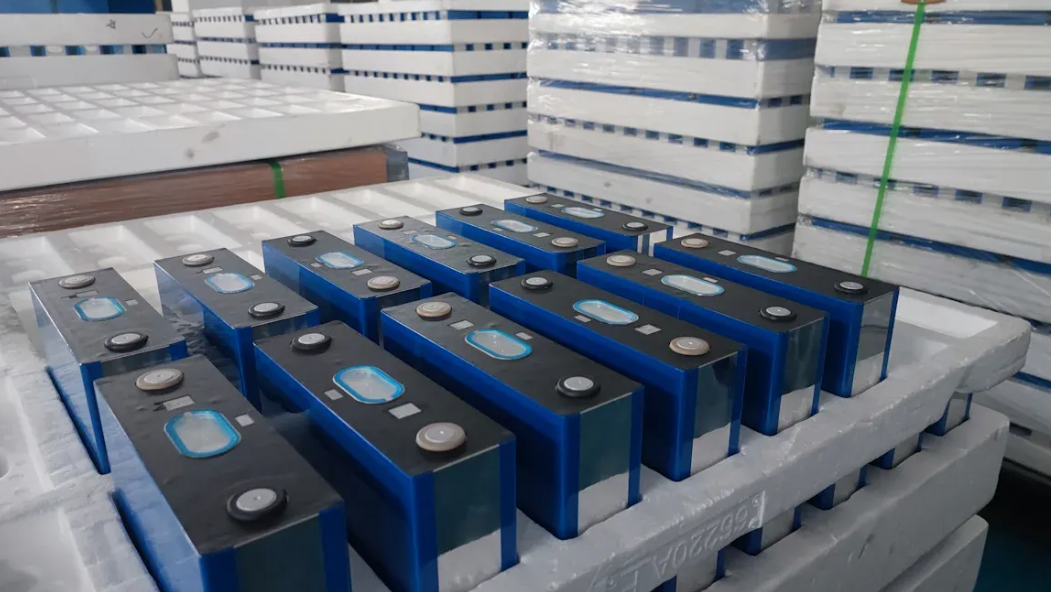
Electric forklifts mainly use two battery types: lead-acid and lithium-ion. Lead-acid batteries have been the traditional choice for many years. They are generally less expensive upfront but require regular maintenance, like watering and equalizing charges. They also need a full charge cycle to avoid damage, which means longer downtime.
Lithium-ion batteries, on the other hand, offer several advantages. They charge faster, often up to 80% in just an hour, and support opportunity charging—charging during short breaks without harming battery life. Lithium-ion batteries are lighter, smaller, and have a longer lifespan, typically lasting twice as long as lead-acid batteries. They also require no maintenance and have no risk of acid spills, making them safer and more convenient for operators.
Charging infrastructure and opportunity charging benefits
Setting up a proper charging infrastructure is crucial for electric forklift fleets. Lead-acid batteries need dedicated charging rooms with ventilation because they emit gases during charging. These batteries also require time-consuming full charge cycles, which can reduce forklift availability.
Lithium-ion batteries simplify infrastructure needs. They don't release gases and can be charged almost anywhere safely. Opportunity charging is a key benefit, allowing batteries to be charged during short breaks or shift changes. This reduces downtime and increases forklift uptime, improving productivity.
Battery lifespan, maintenance, and replacement costs
Lead-acid batteries typically last about 1,500 to 2,000 charge cycles but require ongoing maintenance to reach their full lifespan. Maintenance includes watering, cleaning terminals, and ensuring proper charging cycles. Improper care can lead to reduced battery life and increased replacement costs.
Lithium-ion batteries last longer, often exceeding 3,000 charge cycles, and need no maintenance. Although their initial cost is higher, they reduce total costs over time by lowering downtime and eliminating maintenance expenses. Battery replacement costs are significant, so investing in longer-lasting lithium-ion technology can save money in the long run.
Impact of battery technology on forklift productivity
Battery technology directly affects productivity. Lead-acid batteries require forklifts to be taken out of service for long charging periods, sometimes several hours. This limits shift flexibility and may require extra forklifts to maintain operations.
Lithium-ion batteries, with quick charging and opportunity charging, keep forklifts running longer and reduce the need for spare units. Their consistent power output maintains performance throughout shifts, avoiding the power drop-off seen in lead-acid batteries as they discharge. This results in smoother operation and higher efficiency.
Tip: Choose lithium-ion batteries for electric forklifts when aiming to maximize uptime, reduce maintenance, and simplify charging infrastructure, especially in multi-shift or high-demand operations.
Safety and Operator Comfort in Electric vs Diesel Forklifts
Noise levels and operator health
Electric forklifts operate much quieter than diesel models, often producing noise levels around 60 decibels or less. Diesel forklifts can exceed 85 decibels, raising risks of hearing loss and increased stress for operators over time. The lower noise from electric forklifts improves concentration and reduces fatigue, contributing to better overall health. Quieter machines also enhance communication on busy worksites, reducing accidents caused by missed warnings or distractions.
Exhaust fumes and indoor air quality
Diesel forklifts emit exhaust gases such as nitrogen oxides and particulate matter, which degrade indoor air quality and pose health hazards. Prolonged exposure to these fumes can cause respiratory issues and long-term health problems for operators and nearby workers. Electric forklifts produce zero tailpipe emissions, making them ideal for enclosed spaces where air circulation may be limited. Using electric forklifts indoors helps maintain a safer, cleaner environment and complies with strict air quality regulations.
Ergonomic design and operator comfort features
Modern electric forklifts often come with advanced ergonomic features aimed at reducing operator fatigue. These include adjustable seats, better suspension systems, and intuitive controls that require less physical effort. Diesel forklifts tend to be heavier and vibrate more, which can increase operator discomfort during long shifts. The smooth acceleration and precise handling of electric models also reduce strain on operators, supporting sustained productivity and safety.
Advanced safety controls and speed management
Both electric and diesel forklifts now feature advanced safety technologies such as speed limiters, automatic braking, and stability control. However, electric forklifts often integrate these controls with their electronic systems more seamlessly, allowing for smarter speed management and improved response times. Features like gradual acceleration and regenerative braking help prevent sudden jolts, enhancing safety for operators and nearby personnel. These technologies contribute to fewer accidents and safer workplace conditions.
Tip: Prioritize electric forklifts for quieter, emission-free operation and enhanced ergonomic features to improve operator health, comfort, and overall safety in your fleet.
Making the Right Choice: When to Choose Electric or Diesel Forklifts
Assessing your fleet’s operational needs and environment
Choosing between electric and diesel forklifts starts with understanding your daily operations and work environment. If your fleet mainly works indoors—like warehouses, factories, or cold storage—electric forklifts usually fit best. They offer zero emissions, quiet operation, and excellent maneuverability in tight spaces. On the other hand, if your tasks involve heavy loads outdoors, rough terrain, or long shifts without breaks, diesel forklifts often prove more reliable. They handle tough conditions, longer runtimes, and heavier lifting with ease. Consider your loading requirements, shift lengths, and the terrain your forklifts will face to match the right machine to your needs.
Balancing upfront investment with long-term savings
Electric forklifts generally cost more initially, especially models with lithium-ion batteries. Diesel forklifts have lower purchase prices but higher fuel and maintenance costs over time. When making a decision, look beyond the sticker price and calculate total cost of ownership (TCO). Electric forklifts save money by cutting fuel expenses, reducing maintenance, and lowering downtime. Their higher residual value after years of use also helps offset initial costs. Diesel forklifts might seem cheaper upfront but can add up in fuel, repairs, and regulatory compliance expenses. A detailed TCO analysis helps identify which option delivers better value over the forklift’s lifespan.
Considering regulatory compliance and sustainability goals
Environmental regulations increasingly restrict diesel forklift use, especially indoors. Strict emission standards like EU Stage V require costly engine upgrades or limit diesel vehicle sales in coming years. Electric forklifts have no tailpipe emissions and easily meet current and future regulations. If your company aims to reduce carbon footprint or achieve green certifications, electric forklifts align well with those goals. Using electric models also improves workplace air quality and reduces noise, enhancing operator health and safety. Planning your fleet with sustainability in mind helps future-proof operations and avoid unexpected regulatory costs.
Combining electric and diesel forklifts for optimized fleet performance
Many fleets find a hybrid approach works best. Use electric forklifts for indoor tasks where emissions and noise matter most. Reserve diesel forklifts for outdoor, heavy-duty jobs requiring longer runtimes and rugged performance. This mix maximizes efficiency, controls costs, and meets environmental standards. It also provides operational flexibility, allowing you to deploy the right forklift for each task. Consider your workload patterns and seasonal demands when balancing your fleet composition. Over time, as electric forklift technology advances, you may shift more operations to electric models, reducing reliance on diesel.
Tip: Evaluate your operational environment, budget, and sustainability targets carefully to choose a forklift fleet mix that maximizes productivity and compliance while minimizing costs and emissions.
Conclusion
Electric forklifts offer clean, quiet operation with lower maintenance and energy costs, ideal for indoor use. Diesel forklifts excel in heavy-duty, outdoor tasks with longer runtimes and rugged durability. Advancements in battery technology and environmental regulations are driving fleet electrification. Fleet managers should balance operational needs, costs, and sustainability goals for optimal performance. ROYAL provides innovative electric forklift solutions that enhance efficiency and support green initiatives, delivering great value for modern fleets.
FAQ
Q: What are the main differences in load capacity between electric forklift vs diesel forklift?
A: Diesel forklifts typically handle heavier loads (1.5 to 10 tonnes) suited for rugged outdoor tasks, while electric forklifts lift lighter loads (1.4 to 5.5 tonnes) ideal for indoor use. However, electric forklift technology is improving rapidly.
Q: How do electric forklift vs diesel forklift compare in operational efficiency?
A: Electric forklifts offer smoother control, less maintenance, and lower operating costs with quick battery charging. Diesel forklifts run longer shifts without recharging but require more maintenance and fuel stops.
Q: Why choose electric forklift vs diesel forklift for indoor environments?
A: Electric forklifts produce zero emissions and less noise, making them safer and more comfortable indoors. Diesel forklifts emit harmful fumes and noise, better suited for outdoor use.
Q: What are the cost differences between electric forklift vs diesel forklift?
A: Diesel forklifts have lower upfront costs but higher fuel and maintenance expenses. Electric forklifts cost more initially but save money long-term through lower energy, maintenance, and higher resale value.
Q: How does battery technology impact electric forklift vs diesel forklift productivity?
A: Lithium-ion batteries in electric forklifts enable fast, opportunity charging and longer lifespan, reducing downtime compared to diesel forklifts that require fuel stops and more maintenance.
