


AUGUST 21, 2024
Forklift Factory Audit Checklist for Importers


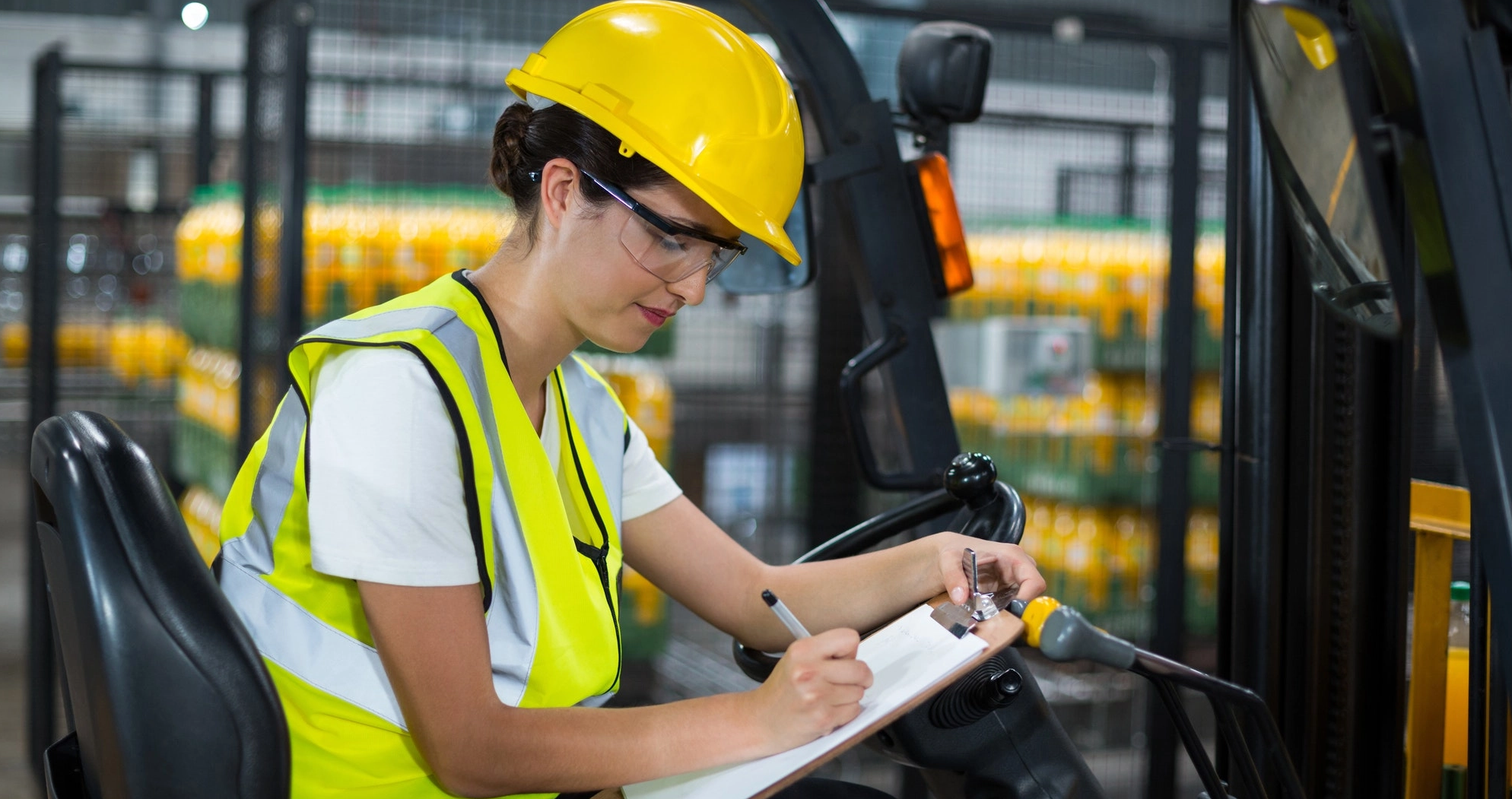
Are forklifts truly safe when they arrive at your facility? Many importers overlook critical safety checks. A forklift factory audit ensures compliance and operational safety. In this post, you’ll learn what a forklift factory audit checklist covers. We’ll explain how audits help importers maintain safety and meet regulations.
Key Components of a Forklift Factory Audit Checklist
A forklift factory audit checklist must cover critical areas ensuring safety, compliance, and operational efficiency. Importers benefit from verifying these components before accepting shipments or integrating equipment into their operations.
Operator Training Verification and Records
Confirm all forklift operators have completed appropriate training for the specific forklift types they will use. Training should include:
Initial certification matching the forklift model and tasks.
Up-to-date refresher courses to maintain skills and safety awareness.
Conversion training if operators switch forklift types or models.
Check that training records are complete, accurate, and readily accessible. Missing or outdated training documentation is a common audit failure and a serious compliance risk.
Equipment Compliance and Suitability for Tasks
Verify forklifts meet regulatory and manufacturer standards. Ensure equipment suits the intended tasks by checking:
Load capacity matches operational needs.
Attachments and modifications comply with safety guidelines.
Forklifts are free from visible damage or defects.
Proper equipment selection reduces accident risks and improves productivity.
Pre-use Checks and Maintenance Documentation
Daily pre-use checks by operators are mandatory. These include visual and functional inspections such as:
Checking forks, chains, tires, and fluid levels.
Testing brakes, lights, horn, and steering.
Confirming no leaks or structural damage.
Maintenance logs must document all inspections, repairs, and servicing. This documentation supports compliance and helps identify recurring issues.
Workplace Safety Conditions and Hazard Controls
Assess the forklift’s working environment for hazards. Key points include:
Clearly marked traffic routes and pedestrian segregation.
Adequate lighting and safe, even surfaces.
Effective hazard controls like barriers or warning signs.
Safe surroundings minimize accident potential and support smooth operations.
Safe Systems of Work and Operational Procedures
Review documented procedures covering forklift use, such as:
Speed limits and load handling rules.
Operator responsibilities and site-specific safety rules.
Emergency protocols and reporting mechanisms.
Ensure these procedures are communicated and enforced consistently.
Supervision, Monitoring, and Competency Checks
Effective supervision ensures operators follow safety practices. Check that:
Supervisors monitor operator behavior regularly.
Unsafe actions are addressed promptly.
Competency assessments occur periodically to maintain standards.
Ongoing oversight helps maintain a culture of safety and compliance.
Tip: Maintain a centralized digital system for training, inspections, and maintenance records to streamline audits and quickly identify compliance gaps.
Daily and Weekly Inspection Requirements in Forklift Factory Audit
Daily and weekly inspections are crucial steps in a forklift factory audit. They ensure forklifts operate safely and meet compliance requirements before use. Importers must confirm these checks are carried out properly to avoid costly safety issues or regulatory penalties.
Mandatory Daily Visual and Functional Checks
Every forklift operator must perform thorough daily checks before starting work. These checks include:
Visual inspections:
The forklift appears undamaged, especially the overhead guard and load protection grille.
No fluid leaks under or around the vehicle.
Tires are intact and properly inflated; wheel nuts are tight.
Forks, mast, and chains show no deformation, damage, or uneven tension.
Hydraulic hoses and cylinders are free from leaks or visible damage.
Battery terminals and cables are secure and clean.
Fluid levels (engine oil, coolant, brake fluid, hydraulic oil, fuel) are within safe ranges.
Gas tanks are full and connections intact on gas-powered forklifts.
Functional tests:
Seat belt and restraint systems work correctly.
Pedals, steering wheel, and control levers operate smoothly and safely.
Warning lights illuminate at ignition and then turn off.
Engine starts easily, runs smoothly, and produces no unusual smoke or noise.
Steering is responsive with limited free play.
Lights, horn, indicators, and alarms function properly.
All mast controls respond correctly; no unintended lowering or movement.
Service and parking brakes engage firmly within specified lever travel.
Operators should complete these checks using a checklist or sticker on the forklift. They must sign or confirm completion to ensure accountability. Any defects found must be reported immediately, and the forklift should not be used until repaired.
Weekly Maintenance Tasks Recommended by Manufacturers
Though not always mandated by regulations, many manufacturers recommend weekly maintenance to complement daily checks. Weekly tasks include:
Cleaning sliding surfaces and removing dirt buildup.
Checking battery water levels, cleaning terminals, and inspecting connections.
Inspecting cylinder fastenings on gas forklifts.
Blowing out engine coolers and air filters with compressed air.
Removing dust and dirt from the forklift body, controls, and display screens.
Wiping pedals, steering wheels, and levers to prevent sticky residue.
This routine helps maintain optimal forklift condition and extends equipment life.
Common Defects to Identify and Immediate Actions
Common defects identified during daily or weekly inspections include:
Fluid leaks or low fluid levels.
Damaged or worn tires.
Loose or missing wheel nuts.
Cracked or bent forks.
Malfunctioning brakes or controls.
Warning lights or alarms not working.
Hydraulic leaks or damaged hoses.
Operators must never ignore defects. They should report issues immediately to maintenance teams. Using forklifts with unresolved defects risks accidents, costly repairs, or audit failures.
Importance of Documentation and Driver Confirmation
Proper documentation of daily and weekly inspections is vital. It provides proof of compliance and helps track recurring issues. Importers should ensure:
Inspection checklists or digital logs are completed and signed by operators.
Records are stored centrally and accessible during audits.
Defects and corrective actions are documented with dates and responsible personnel.
This transparency supports audit readiness and reinforces a safety-first culture.
Tip: Implement a digital inspection system that prompts drivers to complete daily and weekly checks, automatically logs results, and flags overdue maintenance to boost compliance and reduce audit risks.
Quarterly and Annual FEM Reviews in Forklift Factory Audit
Quarterly and annual FEM (Fédération Européenne de la Manutention) reviews are vital parts of forklift factory audits. They ensure forklifts remain safe, reliable, and compliant over time. Importers must understand these inspections to verify their equipment meets safety and regulatory standards.
Purpose and Scope of the Small (Quarterly) FEM Review
The small FEM review, also called the minor inspection, occurs every 500 to 600 operating hours—roughly every three months for single-shift operations. This inspection focuses on critical safety points to catch early wear or damage.
Key areas covered include:
Bolts and fasteners for tightness and integrity.
Chassis condition to detect cracks or damage.
Forks for damage, deformation, or wear beyond limits.
This review helps maintain the forklift’s core safety features before more extensive checks are needed.
Details and Critical Points of the Major (Annual) FEM Review
The major FEM review is a thorough annual inspection or every 2,000 to 2,400 operating hours, whichever comes first. It covers over 100 points, ensuring the forklift remains fully operational and safe.
Critical inspection points include:
Forks, attachments, and stops checked against ISO 5057 standards.
Chains and pins inspected for corrosion, wear, and flexibility within manufacturer specs.
Brake systems tested for performance and visual damage.
Wheels and tires inspected; pneumatic tires checked for correct pressure.
Driver restraint systems, seats, controls, and warning signs verified for compliance.
Electrical wiring checked for damage or wear.
Hydraulic systems tested for leaks and proper function, including lifting and tilt mechanisms.
Vehicle frame and safety equipment inspected for structural integrity.
Diesel engine emissions measured against regulations where applicable.
This comprehensive review prevents unexpected breakdowns and safety risks.
Inspection of Forks, Chains, Brakes, Wheels, and Safety Systems
These components are critical to forklift safety and operation:
Forks: Must be free from cracks, bends, and wear beyond permitted thickness.
Chains: Should be corrosion-free, flexible, and within wear limits; replacement needed if defective.
Brakes: Require both visual inspection and performance testing to ensure safe stopping power.
Wheels and Tires: Checked for damage and proper inflation; wheel nuts tightened to correct torque.
Safety Systems: Seat belts, driver restraints, warning lights, and alarms must function correctly.
Any faults found require immediate repair before forklift use.
Role of Authorized Personnel in Conducting FEM Tests
FEM inspections demand expertise. Only qualified personnel may perform these tests. Experts usually have:
Training and certifications specific to forklift models.
Experience in industrial truck inspections.
Authorization from manufacturers or certified service providers.
Often, manufacturers’ service teams or certified contractors carry out FEM reviews. This ensures objective, thorough inspections compliant with EN ISO/IEC 17020 standards.
Authorized personnel also document inspection results in logbooks, noting defects and corrective actions. This documentation is essential for audit compliance and liability protection.
Tip: Schedule FEM reviews alongside regular maintenance to minimize forklift downtime and ensure continuous compliance with safety standards.
Maintenance, Repair, and Inspection Protocols for Forklift Factory Audit
In forklift factory audits, understanding the difference between inspection, maintenance, and repair is crucial. Each serves a distinct purpose and involves different levels of expertise and responsibility.
Distinction Between Inspection, Maintenance, and Repair
Inspection involves checking the forklift’s condition through visual and functional tests. It compares the current state against safety and performance standards. Operators usually conduct daily and weekly inspections. These checks catch early signs of wear or damage before they become serious.
Maintenance refers to scheduled tasks ensuring the forklift remains safe and efficient. This includes replacing worn parts, lubricating moving components, and adjusting systems. Qualified personnel perform maintenance based on manufacturer guidelines and operating hours.
Repair addresses identified faults or damage that affect safety or function. Repairs must follow manufacturer instructions, especially regarding parts and methods. Only trained specialists should carry out repairs to maintain warranty and compliance.
Qualified Personnel Requirements for Maintenance and Repairs
Maintenance and repairs require skilled technicians. Personnel must have:
Training specific to forklift models.
Knowledge of safety regulations and manufacturer standards.
Experience in handling mechanical, hydraulic, and electrical systems.
Unqualified work risks safety, equipment damage, and audit failures.
Manufacturer’s Instructions and Operating Hour-Based Schedules
Following manufacturers’ instructions is essential. These specify:
What maintenance tasks to perform.
When to perform them, often linked to operating hours.
For example, a forklift may need a hydraulic fluid change every 1,000 hours or brake system checks every 500 hours. Adhering to these schedules prevents unexpected breakdowns and extends forklift lifespan.
Documentation and Record-Keeping for Audit Compliance
Accurate records are vital for audits. Importers should ensure:
All inspections, maintenance, and repairs are logged.
Records include dates, details of work done, and personnel involved.
Documentation is organized and accessible for review.
This transparency demonstrates compliance, supports warranty claims, and helps track recurring issues.
Tip: Use digital maintenance management systems to schedule tasks, log work, and generate audit-ready reports effortlessly.
Common Audit Failures and How to Avoid Them in Forklift Factory Audit
Forklift factory audits often reveal recurring issues that can jeopardize safety and compliance. Importers must be aware of these common failures and take proactive steps to avoid them, ensuring smooth audits and safe operations.
Missing or Incomplete Training Records
One of the most frequent audit failures involves absent or partial operator training documentation. Auditors expect to see:
Complete records of initial training for each operator, matched to the forklift type.
Documentation of refresher courses to prove ongoing competence.
Records of conversion training if operators switch forklift models.
Without these, importers risk non-compliance and potential operational bans. Maintain a centralized digital training log to keep records organized and accessible.
Expired Refresher Training and Certification Lapses
Even if initial training is documented, expired refresher certifications can cause audit failures. Safety skills and knowledge degrade over time without reinforcement. Ensure:
Refresher training schedules follow manufacturer or regulatory guidelines.
Automated reminders alert management and operators before certifications expire.
Training content reflects current safety standards and operational changes.
Regular updates prevent skill gaps and demonstrate commitment to safety.
Poor Supervision and Unsafe Operator Behavior
Audits often identify lapses in supervision and unsafe practices. Importers must verify:
Supervisors actively monitor forklift operations.
Unsafe behaviors, like speeding or improper load handling, are promptly corrected.
Competency assessments occur regularly to maintain operator standards.
Lack of oversight increases accident risks and audit penalties. Implement clear supervision protocols and disciplinary actions.
Incomplete Inspection and Maintenance Documentation
Incomplete or missing records of inspections and maintenance are common audit pitfalls. Auditors require:
Daily and weekly inspection checklists signed by operators.
Maintenance logs detailing servicing, repairs, and parts replacements.
Documentation of FEM reviews and any corrective actions taken.
Failing to document these activities undermines compliance claims and may void warranties.
Strategies to Ensure Audit Readiness and Compliance
To avoid these failures, importers should:
Use digital systems for training, inspections, and maintenance tracking.
Schedule regular internal audits to identify and fix gaps early.
Train supervisors on audit requirements and enforcement.
Communicate audit importance to all staff to foster a safety culture.
Partner with certified service providers for expert maintenance and FEM reviews.
Consistent preparation minimizes surprises during audits and protects importer reputations.
Tip: Adopt a cloud-based compliance platform to centralize training, inspection, and maintenance records, enabling real-time audit readiness and easy access for all stakeholders.
Benefits of Conducting a Thorough Forklift Factory Audit for Importers
Importers gain many advantages by conducting detailed forklift factory audits. These audits ensure the forklifts meet safety, quality, and compliance standards before entering their operations. Let’s explore the key benefits.
Ensuring Product Safety and Operational Reliability
A thorough audit helps confirm forklifts are safe to operate and reliable. Checking operator training, equipment condition, and maintenance records reduces risks of malfunctions or accidents. Importers can avoid costly recalls or liability issues by verifying safety features and factory compliance upfront.
Reducing Risks of Accidents and Costly Downtime
Forklifts with unseen defects or poor maintenance can cause workplace accidents or breakdowns. Audits identify hazards early and ensure proper repairs. This proactive approach minimizes downtime and costly emergency repairs, keeping operations running smoothly.
Meeting Regulatory and Manufacturer Compliance Standards
Regulations and manufacturer guidelines set strict safety and maintenance requirements. Audits verify forklifts meet these rules, helping importers avoid fines or operational restrictions. Compliance also protects warranties and supports insurance claims if needed.
Building Trust with Clients and Stakeholders through Quality Assurance
Importers who prioritize audits demonstrate commitment to quality and safety. This builds trust among clients, partners, and regulators. Transparent audit records and certifications can become a competitive advantage, boosting reputation and business opportunities.
Tip: Integrate forklift factory audits into your supplier onboarding process to ensure consistent quality and compliance from the start, reducing risks and enhancing operational confidence.
Conclusion
Optimizing forklift factory audits ensures importer success by focusing on critical checklist elements like operator training and equipment maintenance. Regular audits and expert inspections maintain safety and compliance. Importers should adopt digital systems and schedule routine checks to stay audit-ready. Continuous improvement and embracing future trends enhance forklift reliability and operational efficiency. ROYAL provides high-quality forklift solutions and expert audit support, delivering value through safety, compliance, and performance excellence.
FAQ
Q: What is a forklift factory audit?
A: A forklift factory audit is a comprehensive inspection process ensuring forklifts meet safety, compliance, and operational standards before importation.
Q: How does a forklift factory audit benefit importers?
A: It reduces accident risks, ensures regulatory compliance, verifies operator training, and improves equipment reliability.
Q: Why are daily inspections important in a forklift factory audit?
A: Daily inspections identify defects early, preventing accidents and costly downtime.
Q: What common failures occur in forklift factory audits?
A: Missing training records, expired certifications, poor supervision, and incomplete maintenance documentation.
Q: Who performs the FEM reviews in a forklift factory audit?
A: Qualified, authorized personnel with specific training conduct quarterly and annual FEM inspections.
