


AUGUST 21, 2024
How To Import Forklifts From China


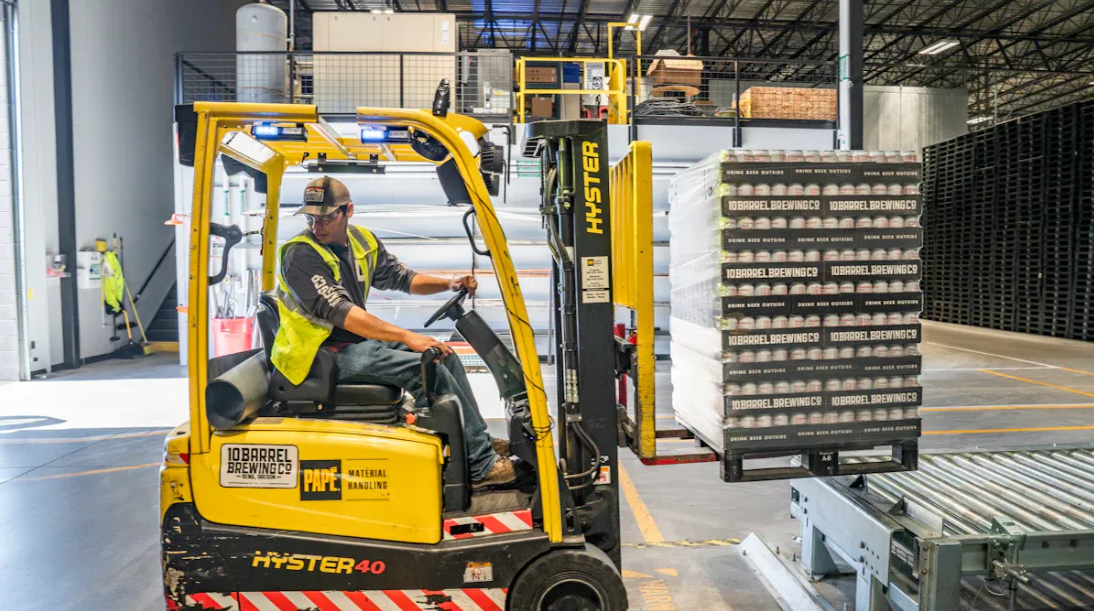
Looking to save costs on heavy equipment? Import forklifts from China is becoming a top choice worldwide. China leads the global forklift market with affordable, reliable options. In this post, you’ll learn why importing from China is popular, the benefits it offers, and how to get started.
Why Choose to Import Forklifts from China
Cost advantages compared to Japanese and European brands
Importing forklifts from China often means significant savings. Chinese manufacturers offer prices 30-50% lower than Japanese and European brands for similar specifications. This cost advantage comes from lower labor costs and efficient production methods. For businesses, this means getting reliable forklifts without breaking the bank.
China’s complete supply chain and production efficiency
China’s forklift industry benefits from a fully integrated supply chain. Components like motors, batteries, hydraulics, and tires are all produced locally near assembly plants. This proximity cuts transportation costs and reduces lead times. It also allows manufacturers to manage quality better and respond quickly to orders or customizations.
Quality assurance and technological standards
Chinese forklift manufacturers have stepped up their quality game. Many factories comply with international standards such as ISO and CE certifications. Leading brands invest in advanced manufacturing technology and rigorous testing procedures. This ensures forklifts meet safety and performance requirements demanded by global markets.
Availability of electric forklift options with advanced battery technology
China dominates the global lithium-ion battery market, producing about 80% of the world’s supply. This gives Chinese electric forklift makers a clear edge. Their electric forklifts often feature advanced battery technology that offers longer runtimes and faster charging at competitive prices. For companies focusing on sustainability or indoor use, Chinese electric forklifts are a smart choice.
Tip: When comparing Chinese forklift suppliers, ask specifically about battery type and certification to ensure you get the latest technology and meet local regulations.
Understanding Chinese Forklift Brands and Models
Major Chinese forklift manufacturers and their reputations
China hosts several well-established forklift manufacturers known globally for their competitive pricing and growing quality standards. Brands like HELI, Hangcha, EP Equipment, Linde China, and LTMG dominate the market. HELI is one of the oldest and most recognized, offering a broad product range and exporting to over 140 countries. Hangcha has rapidly expanded, focusing on innovation and electric forklift solutions. EP Equipment emphasizes electric forklifts and battery technology, leveraging China’s lithium-ion battery production strength. Linde China operates as a joint venture, combining German engineering with local manufacturing efficiency. LTMG offers diverse forklift types and is known for solid after-sales support.
These manufacturers have built reputations by improving product quality, gaining international certifications like ISO 9001, CE, and EPA compliance, and establishing global service networks. Many have dedicated R&D centers, ensuring their forklifts meet evolving safety and environmental standards.
Types of forklifts available: electric, diesel, LPG, and more
Chinese factories produce a wide variety of forklifts to suit different industries and environments:
Electric forklifts: Ideal for indoor use and clean operations. They often come with advanced lithium-ion batteries, offering longer runtimes and faster charging compared to lead-acid batteries.
Diesel forklifts: Suitable for heavy-duty outdoor tasks, construction sites, and rough terrain. They provide high power and durability.
LPG (liquefied petroleum gas) forklifts: Offer a balance between diesel power and electric cleanliness. LPG forklifts work well indoors with proper ventilation.
Gasoline forklifts: Less common but available for light-duty applications.
Specialized models: Reach trucks, pallet jacks, stackers, and telehandlers are also manufactured to meet specific logistics needs.
Each type comes in various load capacities, typically ranging from 1.5 tons up to 10 tons or more, and different mast heights, attachments, and configurations.
Choosing the right forklift model for your needs
Selecting the correct forklift depends on several factors:
Work environment: Indoor warehouses favor electric forklifts for zero emissions. Outdoor sites often require diesel or LPG models for power and endurance.
Load capacity: Match the forklift's rated capacity to your heaviest loads, adding a safety margin.
Lift height and attachments: Consider mast height for stacking needs and attachments like side shifters or clamps for handling specific cargo.
Battery technology: For electric models, lithium-ion batteries offer better performance but at a higher upfront cost compared to lead-acid.
Budget and maintenance: Factor in purchase price, operating costs, and availability of spare parts and service.
Engage suppliers early to specify your requirements clearly. Request detailed product datasheets and certification documents to ensure compliance with your local regulations.
Tip: When evaluating Chinese forklift models, ask suppliers for real-world performance data and customer references to verify that the equipment suits your specific operational needs.
Step-by-Step Process to Import Forklifts from China
Defining your forklift specifications before contacting suppliers
Start by writing down exactly what you need. Clear specs save time and avoid confusion later. Consider:
Load capacity: 1.5 tons, 3 tons, 5 tons?
Lift height: standard 3m mast or a taller triplex mast?
Power type: electric, diesel, LPG, or gasoline?
Attachments: side shifter, fork positioner, clamps?
Battery type for electric forklifts: lithium-ion or lead-acid?
Having this list ready helps suppliers give accurate quotes and ensures the forklift fits your operation.
How to identify and verify real factories versus trading companies
Many sellers on B2B sites are trading companies, not manufacturers. To spot real factories:
Check for a physical factory address, verify on Google Maps.
Request export records showing shipments and destination countries.
Ask for valid certifications like ISO 9001 or CE with certificate numbers.
Look for factory photos or videos showing assembly lines.
Avoid companies that can't prove they produce forklifts themselves.
Importance of factory visits or virtual inspections
Visiting the factory in person is ideal if ordering multiple units (5+). It lets you:
See production quality firsthand.
Check welding, painting, and testing processes.
Meet the team and ask questions directly.
If travel isn’t possible, request a live video tour. A transparent manufacturer will gladly show their facilities. Refusing inspections is a red flag.
Negotiating terms including MOQ, Incoterms, and payment methods
Price is just one part of the deal. Discuss:
MOQ (Minimum Order Quantity): Some factories require a full container (4-6 forklifts), others accept single units.
Incoterms: FOB means price covers delivery to Chinese port; CIF includes shipping and insurance to your port.
Payment terms: Usually 30% deposit upfront, 70% before shipment or against Bill of Lading.
Clarify delivery time, warranty terms, and after-sales support during negotiations.
Pre-shipment inspection and quality control procedures
Before shipment, hire a third-party inspector (SGS, Bureau Veritas, or local QC firm) to check:
Hydraulic system for leaks or pressure issues.
Battery capacity and charging system for electric forklifts.
Weld quality on masts and counterweights.
Safety features like dead-man switches.
Skipping inspection risks receiving faulty forklifts, leading to costly delays and repairs.
Tip: Always confirm detailed forklift specs in writing before negotiating; vague descriptions cause costly misunderstandings and delays.
Shipping and Logistics for Importing Forklifts from China
When importing forklifts from China, choosing the right shipping and logistics strategy is crucial for cost efficiency and timely delivery. Forklifts are heavy and bulky, so understanding your options can save headaches and extra expenses.
Shipping Options: FCL, LCL, and RoRo
Full Container Load (FCL): Best for orders of 1 to 4 forklifts. A standard 20-foot container usually fits one 3-ton forklift. This option offers the best protection and value for multiple units. Forklifts are securely packed inside the container, reducing damage risk.
Less than Container Load (LCL): Suitable for single units or small orders. Your forklift shares container space with other cargo. While cheaper upfront, LCL carries higher chances of transit damage and longer transit times due to multiple stops and handling.
Roll-on/Roll-off (RoRo): Ideal for very large or heavy forklifts, typically over 10 tons. The forklift is driven onto the ship’s deck, no container needed. RoRo shipping is cost-effective for oversized machines but offers less protection than container shipping.
Choosing the Best Shipping Method Based on Forklift Size and Quantity
For a single small forklift, LCL can work if you accept higher risk and longer delivery.
For multiple forklifts or larger models, FCL is safer and often more economical.
For heavy-duty or oversized forklifts, RoRo is the best option.
Consider your destination port’s capabilities and customs handling when choosing.
Working with Freight Forwarders and Transportation Insurance
Freight forwarders are your logistics partners. They coordinate shipping, customs clearance, and inland transport. Choose experienced forwarders familiar with forklift shipments from China.
They help select the best shipping method.
Arrange proper packaging and loading.
Manage documentation and customs procedures.
Provide tracking and updates.
Insurance is essential to protect your investment. Freight insurance covers loss or damage during transit. Ask your forwarder to arrange insurance based on your forklift’s value and shipping method.
Tip: Always discuss forklift dimensions and weight with your freight forwarder before booking shipment to select the safest, most cost-effective shipping method.
Customs Clearance and Documentation Requirements
When importing forklifts from China, smooth customs clearance is critical. Missing or incorrect paperwork can cause delays, extra fees, or even seizure of your shipment. Here’s what you need to prepare and know.
Essential Documents
Commercial Invoice: This is the main document showing the sale details. It must include the seller and buyer’s names and addresses, description of the forklift (model, capacity, power type), unit price, total price, country of origin, and payment terms. Customs uses this to assess duties and taxes.
Packing List: Details the shipment contents, including the number of forklifts, packaging type, gross and net weights, and dimensions. It helps customs verify the cargo matches the invoice.
Bill of Lading (B/L): A contract between the shipper and carrier. It proves ownership of the goods and contains shipment route, vessel name, and expected arrival date. You’ll need it to claim your forklifts at the destination port.
Certificate of Origin: Confirms the forklifts were made in China. Some countries require this to apply preferential tariffs under trade agreements.
Regional Certifications Needed
Different markets require forklifts to meet local safety and environmental standards. These certifications are essential for customs clearance and legal operation:
CE Marking (Europe): Shows compliance with EU safety, health, and environmental directives. Without CE certification, forklifts can be stopped at European borders.
EPA Certification (United States): Ensures engines meet emission standards. Non-EPA compliant forklifts face rejection or fines.
Other Certifications: Depending on your country, you may need ISO, CCC (China Compulsory Certification), or other local approvals.
Always confirm your destination’s requirements before ordering.
Tips to Avoid Delays and Extra Fees
Prepare documents in advance: Have original and copies ready before shipment arrives.
Check document accuracy: Even small errors in names, HS codes, or values can trigger customs holds.
Work with experienced customs brokers: They know local rules and can expedite clearance.
Pay duties and taxes promptly: Delayed payments cause storage fees and penalties.
Stay in contact with your freight forwarder: They can alert you to any issues early.
Label forklifts clearly: Include model numbers and serial numbers on the machines and documents.
Tip: Always verify the latest customs regulations and required certifications for your country before importing forklifts to avoid costly delays at the port.
After-Sales Support and Warranty Considerations
What warranty terms to expect and require
When importing forklifts from China, understanding warranty terms is crucial. Most reputable Chinese manufacturers offer warranties ranging from 12 to 36 months or a certain number of operating hours (commonly 2 years or 3,000 hours). This warranty should cover major components such as the engine or motor, transmission, hydraulic system, and battery (for electric models). Always request the warranty terms in writing and clarify what is excluded, such as wear parts like tires or filters.
A strong warranty reduces your risk and shows the manufacturer’s confidence in their product. Beware of suppliers offering unusually short or vague warranty periods — this often signals lower quality or poor after-sales support.
Availability and shipping of spare parts
Forklifts require regular maintenance and occasional part replacements. Confirm that the manufacturer stocks essential spare parts and can ship them promptly to your location. Some Chinese brands maintain warehouses or distribution centers in major regions, speeding up delivery.
Ask about typical lead times for spare parts and whether they can ship by air for urgent needs. Also, check if parts come with their own warranty or quality guarantees. Having easy access to genuine parts helps avoid costly downtime and keeps your forklift fleet running smoothly.
Access to technical support and language considerations
Good after-sales service includes technical support. Ensure your supplier provides a dedicated contact who speaks your language or English fluently. This person should assist with troubleshooting, maintenance advice, and warranty claims.
Some manufacturers offer online resources like manuals, videos, or remote support via video calls. Others may provide training for your operators or technicians, either onsite or virtually. Confirm these services before purchase.
Language barriers can cause misunderstandings and delays in resolving issues. Choose a supplier who communicates clearly and promptly.
How to ensure reliable after-sales service from Chinese manufacturers
To secure dependable after-sales support:
Choose manufacturers with established international reputations and verified customer reviews.
Request references from previous buyers in your region.
Negotiate clear after-sales terms in the contract, including response times and support channels.
Consider working with local agents or distributors who handle spare parts and service on behalf of the factory.
Confirm availability of service centers or authorized repair shops near your location.
Reliable after-sales service prevents small problems from becoming costly repairs. It also builds a long-term partnership with your supplier.
Tip: Before finalizing your order, ask the manufacturer for a sample after-sales support plan detailing warranty coverage, spare parts availability, and technical assistance to avoid surprises later.
Cost Breakdown and Common Mistakes When Importing Forklifts
Typical Cost Components: FOB Price, Freight, Customs Duties, Insurance, and Local Handling
When importing forklifts from China, understanding the full cost picture helps avoid surprises. The main cost components include:
FOB Price (Free On Board): This is the price of the forklift at the Chinese port before shipping. It covers manufacturing, assembly, and loading onto the ship. Prices vary widely depending on forklift type, brand, and specs. For example, a 3-ton electric forklift might cost between $8,000 and $15,000 FOB.
Ocean Freight: Shipping costs depend on container size, route, and season. A 40-foot high cube container (40HQ) might cost between $1,500 and $4,000. Smaller shipments via LCL or RoRo can be cheaper or more expensive depending on volume and weight.
Customs Duties: These vary by country and forklift classification. Some countries charge 0%, others up to 10%. Always check your local customs tariffs before ordering.
Insurance: Typically about 0.3% of the cargo’s value, insurance protects your shipment from loss or damage during transit.
Port Handling and Local Transport: Fees for unloading, customs clearance, storage, and trucking from the port to your warehouse can range from $300 to $800 or more.
Factors Influencing Forklift Pricing: Battery Type, Motor Brand, Mast Height
Several specifications affect the FOB price and overall cost:
Battery Type: Lithium-ion batteries cost more upfront but offer longer life and faster charging. Lead-acid batteries are cheaper but heavier and require more maintenance.
Motor Brand: Using reputable motor brands (e.g., Siemens, Bosch) increases cost but improves reliability and efficiency.
Mast Height and Attachments: Taller masts or specialized attachments like side shifters, clamps, or fork positioners add to price and shipping complexity.
Avoiding Pitfalls: Cheapest Quotes, Ignoring Certifications, Vague Specifications
Many importers fall into common traps that cost time and money:
Choosing the Cheapest Quote: A price 30-40% lower than competitors often means compromises. The forklift might have subpar materials, refurbished parts, or counterfeit components. Always verify factory credentials and product quality.
Ignoring Certifications: Forklifts without proper certifications (CE for Europe, EPA for the US) risk being held at customs or banned from operation. Confirm all certifications before production.
Vague Specifications: Relying on informal communication like WhatsApp chats leads to misunderstandings. Specify every detail in writing — load capacity, power type, battery brand, mast height, and paint color — in the Proforma Invoice.
Tip: Always request a detailed, itemized quote including all costs and certifications before placing an order to avoid unexpected expenses or compliance issues.
Conclusion
Successfully importing forklifts from China requires clear specifications and careful supplier verification. Choosing trustworthy manufacturers ensures quality and compliance with certifications. Preparing for shipping, customs, and after-sales support helps avoid delays and extra costs. ROYAL offers reliable forklifts with advanced technology and strong warranty services, providing excellent value and peace of mind for your business needs. Trust ROYAL to guide you through a smooth and efficient import process.
FAQ
Q: What does it mean to import forklifts from China?
A: Importing forklifts from China involves purchasing forklifts manufactured in China and shipping them to your country for use in your operations.
Q: Why should I import forklifts from China instead of other countries?
A: Importing forklifts from China offers cost advantages, a complete supply chain, quality assurance with international certifications, and advanced electric forklift battery technology.
Q: How do I choose the right forklift model when importing forklifts from China?
A: Consider your work environment, load capacity, lift height, power type, and budget to select the best forklift model when you import forklifts from China.
Q: What are the typical costs involved when importing forklifts from China?
A: Costs include the FOB price, ocean freight, customs duties, insurance, and local handling fees when you import forklifts from China.
Q: How can I ensure quality when I import forklifts from China?
A: Verify factory credentials, request certifications like ISO and CE, conduct factory visits or virtual inspections, and perform pre-shipment quality checks when you import forklifts from China.
Q: What shipping methods are available for importing forklifts from China?
A: Options include Full Container Load (FCL), Less than Container Load (LCL), and Roll-on/Roll-off (RoRo), chosen based on forklift size and quantity.
Q: How do I handle customs clearance when importing forklifts from China?
A: Prepare essential documents like commercial invoices, packing lists, bills of lading, and certificates of origin, and ensure compliance with local certifications such as CE or EPA.
Q: What after-sales support should I expect after importing forklifts from China?
A: Expect warranties covering major components, availability of spare parts, technical support in your language, and reliable service networks when you import forklifts from China.
