


AUGUST 21, 2024
OEM Electric Forklift Manufacturer Guide


Are you ready to transform your warehouse operations? OEM electric forklift manufacturer manufacturers play a crucial role in delivering reliable, customized forklifts. These manufacturers design electric forklifts that improve efficiency and reduce emissions. In this post, you’ll learn about OEMs’ key features, benefits, and how to choose the right one for your needs.
Key Features of OEM Electric Forklift Manufacturers
When choosing an OEM electric forklift manufacturer, several key features set the best apart from the rest. These features ensure forklifts meet your operational needs and provide reliable, efficient service for years.
Customization Capabilities for Different Industries
OEM manufacturers excel at tailoring forklifts to fit specific industry demands. Whether you work in warehousing, manufacturing, or logistics, they adjust designs to match load capacities, aisle widths, and working environments. For example, a cold storage facility may need forklifts with insulated cabins and special battery systems to handle low temperatures. An OEM’s ability to customize ensures the forklift fits perfectly into your workflow, improving productivity and safety.
Technological Innovations and Integration
Leading OEMs continuously integrate the latest technology into their forklifts. This includes advanced battery systems for longer run times, regenerative braking to save energy, and digital displays for real-time monitoring. Some manufacturers offer IoT-enabled forklifts that track usage data and maintenance needs remotely. These innovations help reduce downtime, cut operating costs, and enhance operator control.
Quality Control and Manufacturing Standards
Quality is a top priority for reputable OEM manufacturers. They follow strict quality control processes during every production stage, from component sourcing to final assembly. Many comply with international standards like ISO 9001, ensuring consistent product reliability and safety. Rigorous testing, including stress tests and safety checks, guarantees forklifts withstand tough conditions and deliver lasting performance.
After-Sales Support and Service
A strong after-sales support system distinguishes great OEMs. They provide comprehensive services such as installation, operator training, and routine maintenance. Quick access to replacement parts and expert technical support minimizes forklift downtime. Some OEMs also offer extended warranties and service contracts, giving you peace of mind long after purchase.
Tip: When evaluating OEM manufacturers, prioritize those offering tailored customization and strong after-sales service to maximize forklift efficiency and lifespan.
Benefits of Choosing an OEM Electric Forklift Manufacturer
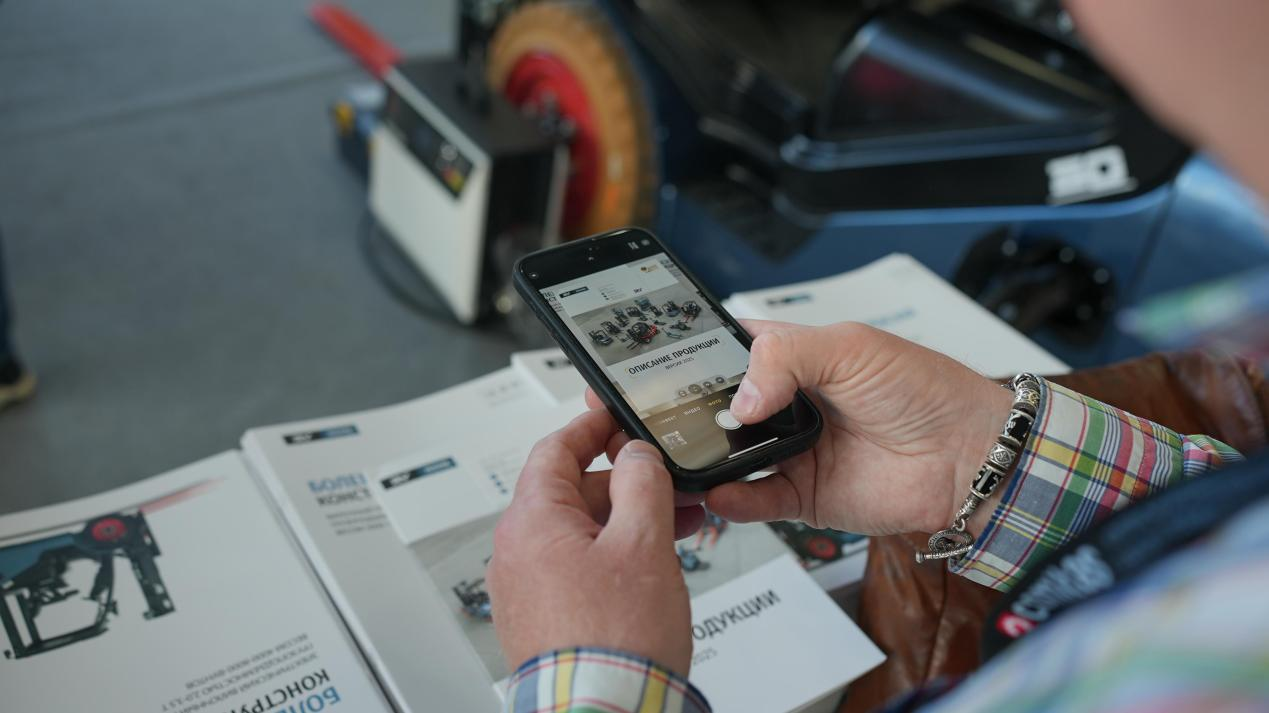
Choosing an OEM electric forklift manufacturer brings several benefits that make a big difference in your operations. These benefits range from access to the latest technology to cost savings and safety enhancements.
Access to Advanced and Reliable Forklift Models
OEMs develop forklifts using cutting-edge technology and proven designs. This means you get machines built to perform reliably in demanding environments. They use high-quality components and test forklifts thoroughly before delivery. For example, OEM forklifts often feature advanced battery management systems that extend run times and reduce charging frequency. This reliability helps avoid costly downtime and keeps your workflow smooth.
Cost-Effectiveness and Long-Term Savings
While OEM forklifts might have a higher upfront cost, they save money over time. Their durability means fewer repairs and replacements. OEMs also design forklifts for easy maintenance, reducing service time and costs. Energy-efficient models cut electricity bills, especially with improved battery tech. Additionally, OEMs often offer warranty packages and service contracts that protect your investment and prevent unexpected expenses.
Enhanced Safety Features and Compliance
Safety is crucial in forklift operations. OEM manufacturers build forklifts to meet or exceed industry safety standards. They include features like automatic speed control, stability systems, and ergonomic designs to reduce operator fatigue and accidents. OEM forklifts comply with regulations such as OSHA or ISO standards, ensuring your workplace stays safe and meets legal requirements. This reduces liability and promotes a secure working environment.
Tailored Solutions for Specific Operational Needs
Every business has unique forklift needs. OEMs customize forklifts to match specific tasks, environments, and load types. Whether you need narrow aisle forklifts, heavy-duty models, or machines suited for outdoor use, OEMs can adjust design, power options, and attachments. This customization improves efficiency and productivity by fitting forklifts perfectly into your workflow. For example, an OEM may add special tires for rough terrain or design controls for easier operator use in cold storage.
Tip: Choose an OEM manufacturer that offers both advanced technology and tailored customization to maximize efficiency, safety, and cost savings in your operations.
How to Select the Right OEM Electric Forklift Manufacturer
Choosing the right OEM electric forklift manufacturer is key to getting forklifts that fit your needs and last long. Here’s how to evaluate manufacturers to make the best choice for your business.
Evaluating Manufacturer Reputation and Experience
Start by checking the manufacturer’s reputation in the industry. Look for companies with years of experience building electric forklifts. Experienced OEMs understand market demands and challenges better. Read customer reviews, case studies, and testimonials to see how well they deliver on promises. Industry awards or recognitions also signal reliability. Don’t hesitate to ask for references and speak directly with past clients.
Assessing Product Range and Customization Options
A good OEM offers a wide range of forklift models suited for different tasks. Check if they provide options for various load capacities, battery types, and attachments. Customization matters—ensure they can tailor forklifts for your specific environment or workflow. For example, if you need forklifts for narrow aisles or outdoor use, confirm the OEM can adjust designs accordingly. Flexibility in product options shows the manufacturer’s commitment to meeting diverse needs.
Reviewing Customer Service and Technical Support
Strong customer service is crucial, especially for technical equipment like forklifts. Find out if the OEM offers prompt support during and after purchase. Do they provide operator training, maintenance services, and quick access to spare parts? Good technical support reduces downtime and keeps forklifts running smoothly. Check if they have local service centers or partnerships to ensure fast response times.
Considering Certifications and Industry Compliance
Certifications prove the manufacturer meets quality and safety standards. Look for ISO certifications (like ISO 9001) that show consistent quality management. Also, verify compliance with safety regulations such as OSHA or ANSI standards. Environmental certifications, like ISO 14001, indicate eco-friendly manufacturing. These certifications reduce risks and ensure forklifts meet legal and operational requirements.
Tip: When selecting an OEM, prioritize manufacturers with proven experience, flexible customization, strong support, and recognized certifications to secure reliable and compliant forklifts.
Technological Trends in OEM Electric Forklift Manufacturing
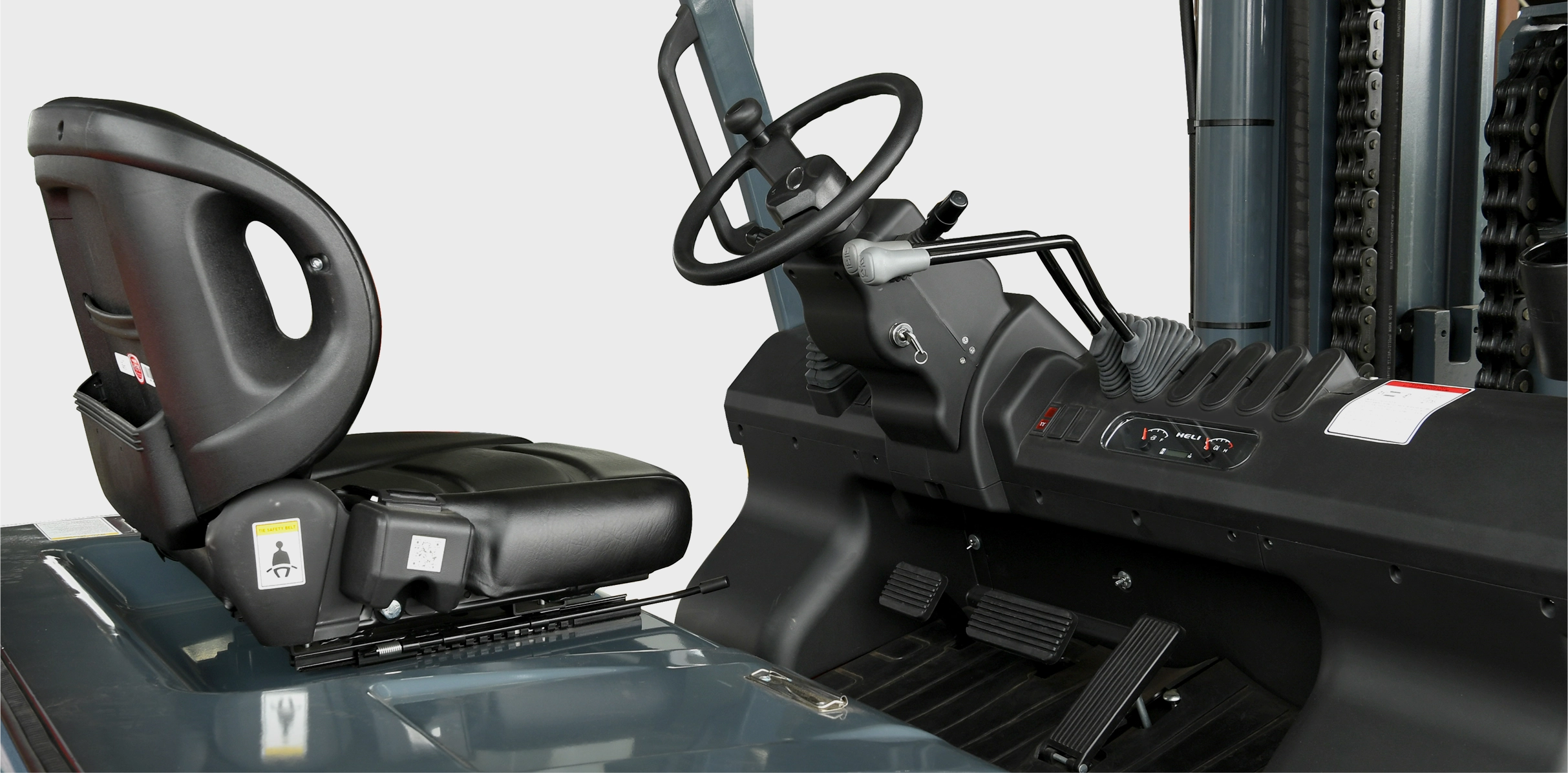
Advancements in Battery Technology and Energy Efficiency
Battery technology remains a cornerstone of electric forklift innovation. OEMs focus on improving battery capacity, charging speed, and lifespan. Lithium-ion batteries have become popular due to their lighter weight and faster recharge times compared to traditional lead-acid batteries. These batteries also support opportunity charging, allowing forklifts to recharge during short breaks, boosting productivity. Enhanced battery management systems monitor charge cycles and temperature, preventing damage and extending battery life. Energy-efficient motors and regenerative braking systems further reduce power consumption, helping businesses cut electricity costs while maintaining high performance.
Integration of IoT and Smart Forklift Features
The rise of the Internet of Things (IoT) has transformed forklift operations. OEM manufacturers integrate sensors and connectivity modules into forklifts, enabling real-time data collection and remote monitoring. Smart forklifts can track usage patterns, battery health, and maintenance needs, alerting managers before issues arise. This reduces unexpected downtime and lowers repair costs. Some models include GPS tracking for fleet management and geofencing to restrict forklift access to certain zones, enhancing safety. Operators benefit from digital dashboards displaying performance metrics, improving control and efficiency during tasks.
Automation and Electric Forklift Innovations
Automation is reshaping forklift technology. OEMs develop semi-autonomous and fully autonomous electric forklifts that perform repetitive tasks with minimal human input. These automated forklifts use cameras, lasers, and AI to navigate warehouses safely and efficiently. Automation reduces labor costs and human error, increasing throughput. Additionally, innovations in forklift design include compact models for narrow aisles and enhanced ergonomic controls that reduce operator fatigue. OEMs continuously explore new materials and manufacturing techniques to build lighter, stronger forklifts that improve maneuverability and durability.
Sustainability and Eco-Friendly Manufacturing Practices
Sustainability drives many OEMs to adopt eco-friendly manufacturing methods. They use recyclable materials, reduce waste, and optimize energy use during production. Some manufacturers implement closed-loop systems to recycle batteries and components, minimizing environmental impact. Electric forklifts themselves produce zero emissions, contributing to cleaner workplaces and compliance with environmental regulations. OEMs also focus on designing forklifts that consume less energy and have longer service lives, supporting green business goals. This commitment to sustainability appeals to companies aiming to reduce their carbon footprint and promote corporate responsibility.
Tip: Choose OEMs investing in smart technologies and sustainable practices to future-proof your forklift fleet and reduce operational costs.
Common Challenges Faced by OEM Electric Forklift Manufacturers
OEM electric forklift manufacturers face several challenges while producing reliable, customized equipment. Understanding these hurdles helps buyers appreciate the complexity behind each forklift and the expertise required from the OEM.
Supply Chain and Component Sourcing Issues
One major challenge is securing quality components on time. Electric forklifts rely on batteries, motors, electronics, and specialized parts. Global supply chain disruptions, raw material shortages, or shipping delays can slow production. OEMs must build strong supplier relationships and maintain inventory buffers. For example, lithium-ion battery availability fluctuates due to high demand in other industries. Delays here affect forklift delivery schedules and costs. Manufacturers often diversify suppliers or invest in vertical integration to reduce risks.
Meeting Diverse Regulatory Requirements
Electric forklifts must comply with various safety, environmental, and operational regulations across regions. OEMs face the challenge of designing forklifts that meet OSHA, ANSI, ISO, and local standards simultaneously. Regulations may cover emissions, noise levels, battery recycling, and operator safety features. Constantly changing rules require OEMs to stay updated and adapt designs quickly. For example, stricter emissions rules push OEMs to develop cleaner battery technologies and more efficient electric motors. Compliance ensures legal operation but adds complexity to manufacturing.
Balancing Customization with Production Efficiency
Customization is a key strength of OEMs but balancing it with efficient production proves difficult. Each tailored forklift may require unique parts, assembly steps, or testing protocols. This can slow manufacturing and increase costs. OEMs must optimize workflows to handle variety without sacrificing quality or delivery times. Modular designs and flexible manufacturing systems help address this challenge. For instance, an OEM might use standardized chassis platforms but swap batteries, cabins, or attachments per customer needs. Finding this balance keeps customers happy while maintaining profitability.
Adapting to Rapid Technological Changes
Technology in electric forklifts evolves quickly. OEMs must continuously innovate to stay competitive. This includes integrating new battery chemistries, smart IoT features, automation, and safety systems. However, adopting new tech requires R&D investment, staff training, and retooling production lines. OEMs risk obsolescence if they lag behind but face financial strain if they innovate too fast. They also must ensure new technologies are reliable and meet customer expectations. For example, shifting from lead-acid to lithium-ion batteries involves redesigning forklifts and retraining maintenance teams.
Tip: OEMs that build agile supply chains, stay ahead of regulations, streamline customization, and invest wisely in innovation overcome common manufacturing challenges effectively.
Future Outlook for OEM Electric Forklift Manufacturers
Market Growth and Emerging Opportunities
The electric forklift market is expanding rapidly. Demand grows due to industries shifting toward cleaner, quieter, and more efficient materials handling solutions. Warehousing, logistics, and manufacturing sectors increasingly prefer electric models over traditional combustion forklifts. This trend opens opportunities for OEMs to innovate and capture new customers. Emerging markets in Asia, Latin America, and Africa also show rising interest as infrastructure develops and environmental regulations tighten. OEMs that adapt quickly can benefit from this global growth and diversify their client base.
Impact of Green Energy Policies on Manufacturing
Governments worldwide push green energy policies encouraging electric vehicle adoption, including forklifts. Incentives, subsidies, and stricter emission standards motivate companies to switch to electric fleets. OEMs must align product development with these policies to stay competitive. This means investing in cleaner battery technologies, recyclable materials, and energy-efficient manufacturing processes. Compliance not only meets legal demands but also enhances brand reputation among eco-conscious buyers. OEMs embracing green policies early gain a strategic advantage and access to new funding or partnership opportunities.
Potential for Global Expansion and Partnerships
Globalization offers OEMs chances to expand beyond domestic markets. Forming partnerships with local distributors, service providers, or manufacturers helps overcome regional challenges like logistics and regulations. Collaborations can speed up market entry and improve after-sales support. Joint ventures enable sharing R&D costs and accessing new technologies. For instance, an OEM partnering with a battery maker or IoT specialist can enhance product offerings. International expansion requires cultural understanding and flexible business models but promises higher revenues and resilience against market fluctuations.
Innovations Shaping the Next Generation of Electric Forklifts
The future of electric forklifts lies in continuous innovation. OEMs focus on:
Advanced battery tech: Solid-state batteries and fast-charging systems promise longer life and shorter downtime.
Smart automation: More autonomous forklifts will handle complex tasks safely, reducing labor costs.
Enhanced connectivity: IoT integration improves fleet management, predictive maintenance, and operator safety.
Lightweight materials: New composites reduce forklift weight, enhancing energy efficiency and maneuverability.
Sustainability: Circular economy practices like battery recycling and modular designs extend product life and reduce waste.
These innovations will redefine forklift capabilities, helping businesses improve productivity and sustainability simultaneously.
Tip: OEMs embracing global trends, green policies, and advanced technologies position themselves as leaders in the evolving electric forklift market.
OEM electric forklift manufacturers offer tailored, reliable, and technologically advanced solutions. Choosing the right OEM ensures forklifts meet specific operational needs while providing strong after-sales support. Prioritizing manufacturers with proven experience, customization options, and certifications maximizes efficiency and safety. OEMs drive innovation with smart features, automation, and sustainable practices, shaping the future of material handling. Companies like ROYAL deliver high-quality forklifts that enhance productivity and reduce costs, making them valuable partners in your business growth.
FAQ
Q: What is an OEM electric forklift manufacturer?
A: An OEM electric forklift manufacturer designs and produces forklifts tailored to specific industry needs, ensuring quality, customization, and advanced technology integration.
Q: How does an OEM electric forklift manufacturer improve forklift performance?
A: They incorporate cutting-edge battery technology, IoT features, and ergonomic designs to enhance efficiency, safety, and operator comfort.
Q: Why choose an OEM electric forklift manufacturer over others?
A: OEM manufacturers offer reliable, customizable forklifts with strong after-sales support and compliance with safety standards.
Q: What factors affect the cost of forklifts from an OEM electric forklift manufacturer?
A: Customization, technology features, battery type, and warranty packages influence pricing.
Q: How can I troubleshoot issues with forklifts from an OEM electric forklift manufacturer?
A: Utilize the manufacturer’s technical support, maintenance services, and digital monitoring tools for timely problem resolution.
