


AUGUST 21, 2024
Wholesale Lithium Forklift Buying Guide


Are you ready to revolutionize your warehouse operations? Wholesale lithium forklifts are transforming material handling. They offer faster charging, longer life, and zero maintenance. In this guide, you’ll learn about the wholesale lithium forklift market, key benefits, and how to choose the right model for your business.
Understanding Wholesale Lithium Forklifts and Their Technology
What is a lithium forklift and how does it differ from lead-acid forklifts
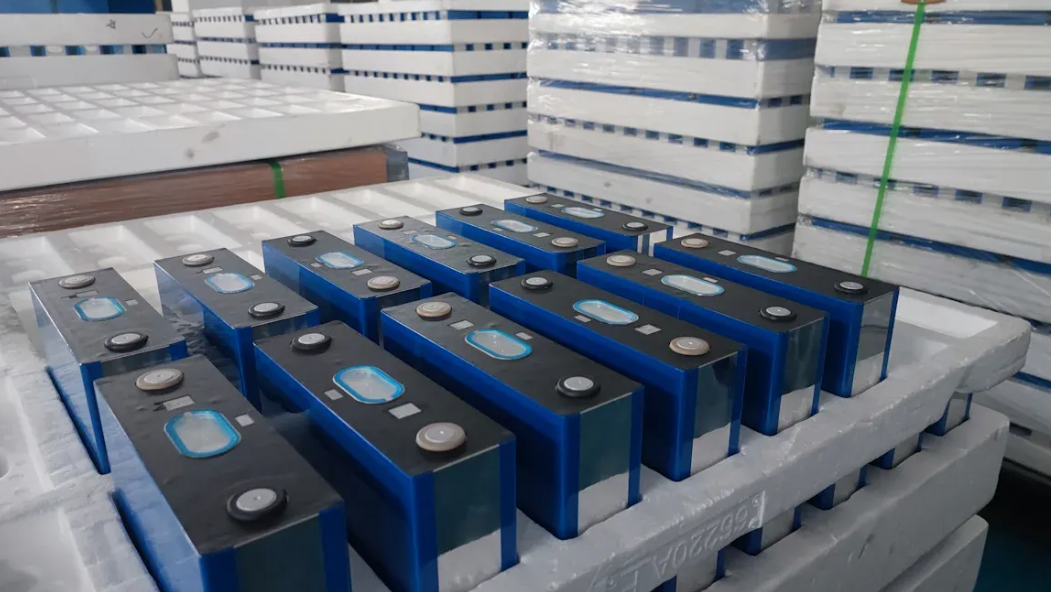
A lithium forklift uses lithium-ion batteries to power its electric motor, unlike traditional forklifts that rely on lead-acid batteries. The lithium battery packs are lighter, more compact, and offer higher energy density. This means lithium forklifts run longer and charge faster. Lead-acid batteries are bulky, heavy, require regular watering, and cool-down time after charging. Lithium forklifts don't need these maintenance routines, making them more user-friendly and efficient.
Lithium-ion battery chemistry and common types used in forklifts
Most lithium forklifts use Lithium Iron Phosphate (LiFePO4) batteries. This chemistry is stable, safe, and offers a long cycle life. LiFePO4 batteries resist overheating better than other lithium chemistries like Nickel Manganese Cobalt (NMC). They provide consistent power output and are less prone to thermal runaway, making them ideal for industrial use. Other lithium-ion types exist but LiFePO4 dominates forklift applications due to safety and durability.
How lithium forklift batteries work including Battery Management System (BMS)
Lithium forklift batteries consist of multiple cells linked together. The Battery Management System (BMS) acts as the battery’s brain. It monitors voltage, current, temperature, and state of charge in real-time. The BMS prevents overcharging, overheating, and short circuits by adjusting power flow or shutting down the battery if needed. This ensures safety and extends battery life. Unlike lead-acid batteries, lithium batteries maintain consistent voltage during discharge, so forklifts perform steadily until the battery is nearly empty.
Advantages of lithium batteries over traditional lead-acid batteries in forklifts
Faster charging: Lithium batteries charge fully in 1-2 hours, whereas lead-acid batteries take 8+ hours plus cool-down.
Opportunity charging: Lithium allows short, frequent charges during breaks, eliminating battery swaps.
Longer lifespan: Lithium batteries last 3,000–5,000 cycles, often double lead-acid’s 1,500 cycles.
Zero maintenance: No watering or cleaning needed, saving labor and avoiding acid spills.
Consistent power: Lithium maintains full power until nearly depleted; lead-acid power drops as it discharges.
Safety: Lithium Iron Phosphate chemistry and BMS reduce risks of fire, acid leaks, and gas venting.
Energy efficiency: Lithium batteries convert over 95% of energy into usable power, lead-acid about 70%.
These benefits translate into higher uptime, lower operational costs, and safer working environments. Lithium forklifts are especially suited for multi-shift operations and facilities aiming to improve sustainability.
Tip: Always check if the lithium forklift battery includes a robust Battery Management System (BMS) to ensure optimal performance and safety in your warehouse operations.
Comparing Wholesale Lithium Forklifts with Lead-Acid Alternatives
Charging time differences and impact on operations
Lithium forklifts fully charge in just 1 to 2 hours. Lead-acid batteries need about 8 hours to charge, plus another 8 hours to cool down. This long downtime means you must have multiple lead-acid batteries per truck for multi-shift work. Lithium’s fast charging lets operators top up batteries during short breaks, keeping trucks running longer without needing extra batteries. This reduces downtime and keeps your operations flowing smoothly.
Opportunity charging benefits with lithium forklifts
Opportunity charging means plugging in forklifts for brief periods whenever idle. Lithium batteries tolerate this well, gaining significant charge in 15 to 30 minutes without damage. Lead-acid batteries, however, suffer from opportunity charging. It can shorten their lifespan and cause damage due to sulfation. Lithium forklifts using opportunity charging avoid battery swaps, save labour, and boost productivity by maximizing truck availability throughout the day.
Maintenance requirements: zero maintenance lithium vs lead-acid upkeep
Lead-acid batteries require regular watering to keep electrolyte levels safe. They also need cleaning, equalizing charges, and careful handling to avoid acid spills. This upkeep demands time, labour, and safety precautions. Lithium batteries are sealed units needing no watering or cleaning. They eliminate acid spills and related hazards. Zero maintenance means less downtime, fewer safety risks, and lower operational costs.
Battery lifespan and total cost of ownership comparison
Lithium batteries last 3,000 to 5,000 charge cycles, often double lead-acid’s 1,500 cycles. This longevity reduces replacement frequency and costs. Although lithium batteries cost more upfront, their longer life and reduced maintenance lower total cost of ownership (TCO) over time. Energy efficiency also cuts electricity bills. Lead-acid batteries need replacements more often and incur higher labour and infrastructure expenses, increasing TCO.
Safety considerations and risks of lithium vs lead-acid batteries
Lead-acid batteries pose risks like acid spills, hydrogen gas venting, and explosion hazards during charging. These require ventilated battery rooms and strict safety protocols. Lithium batteries, especially Lithium Iron Phosphate (LiFePO4) types, are safer. Their chemistry resists overheating and thermal runaway. Battery Management Systems (BMS) monitor and control battery health, preventing overcharge, short circuits, and overheating. Lithium batteries operate as closed systems, eliminating acid leaks and gas emissions, making them safer for warehouse environments.
Tip: Choose lithium forklifts with a proven Battery Management System (BMS) to maximize safety and extend battery life while minimizing operational risks.
Operational Benefits of Buying Wholesale Lithium Forklifts
Increased efficiency through opportunity charging
Opportunity charging stands out as a game-changer for lithium forklifts. Unlike lead-acid batteries, lithium batteries can be charged in short bursts during breaks or downtime. For example, a 15-minute charge can add up to an hour of run time. This means your forklifts spend less time parked in charging bays and more time moving goods. It also eliminates the need for extra batteries per truck, which is common in lead-acid setups due to their long charging and cooling times. This charging flexibility boosts daily operational efficiency significantly.
Consistent performance throughout shifts
Lithium forklifts deliver consistent power from start to finish. Lead-acid batteries tend to lose voltage as they discharge, causing forklifts to slow down toward the end of a shift. Lithium batteries maintain a steady voltage output, so your operators experience the same lifting speed and travel power throughout. This consistency improves handling precision and reduces operator fatigue, leading to safer and more productive work environments.
Elimination of battery swapping and related labor costs
Battery swapping is a labor-intensive process required for lead-acid forklifts during multi-shift operations. It demands heavy lifting equipment and strict safety protocols to handle bulky, heavy batteries safely. Lithium forklifts, however, only need one battery per truck due to fast charging capabilities. This eliminates the need for battery rooms, swapping equipment, and the labor costs associated with battery changes. Operators can simply plug in the forklift during breaks, reducing downtime and freeing staff for other tasks.
Reduced downtime and improved productivity
Downtime costs money. Lithium forklifts reduce downtime by charging quickly and allowing opportunity charging. This means trucks are almost always ready for use. Without long waits for batteries to charge and cool down, workflows stay smooth. The elimination of battery swaps and maintenance tasks further cuts downtime. The result is higher productivity and better utilization of your forklift fleet.
Environmental and sustainability benefits of lithium forklifts
Lithium forklifts contribute to greener operations. They are more energy-efficient, converting over 95% of electrical energy into usable power compared to about 70% for lead-acid batteries. This efficiency reduces electricity consumption and lowers your carbon footprint. Additionally, lithium batteries don’t emit harmful gases or acid spills, improving workplace air quality and safety. For businesses aiming to meet sustainability targets or comply with environmental regulations, lithium forklifts offer a cleaner, more eco-friendly solution.
Tip: Maximise forklift uptime by strategically placing lithium chargers near work areas, enabling quick opportunity charges during breaks.
Financial Insights: Cost and ROI of Wholesale Lithium Forklifts
Upfront purchase price vs long-term savings
Lithium forklifts come with a higher initial price tag compared to lead-acid models. The lithium battery alone can cost two to three times more than a traditional lead-acid battery. However, this upfront investment pays off over time. Lithium batteries last much longer—often 3,000 to 5,000 charge cycles—versus about 1,500 cycles for lead-acid. This means fewer replacements and lower long-term capital expenses. Additionally, lithium forklifts require no watering or equalizing charges, cutting maintenance costs significantly. When you factor in these savings, lithium forklifts offer a better total cost of ownership.
Energy cost reductions and electricity efficiency
Lithium batteries convert over 95% of electrical energy into usable power, while lead-acid batteries average around 70%. This efficiency reduces electricity consumption, lowering energy bills. Moreover, lithium batteries don’t generate excess heat during charging, so less energy is wasted. Opportunity charging allows quick top-ups during breaks, spreading energy use more evenly and avoiding peak demand spikes. Over time, these efficiencies add up to substantial savings, especially for businesses running multiple shifts or large fleets.
Labor and infrastructure savings with lithium technology
Lead-acid batteries demand regular maintenance: watering, cleaning, and swapping. These tasks require dedicated staff, safety protocols, and specialized equipment like battery cranes and ventilated charging rooms. Lithium forklifts eliminate these needs. No watering or acid spills means less labor and fewer safety risks. Battery swapping is unnecessary due to fast charging, so you save on labor and avoid costly infrastructure like battery rooms. Reclaiming floor space used for lead-acid charging can improve warehouse layout and productivity.
Expected return on investment timeline for wholesale lithium forklifts
Industry data and case studies suggest businesses often see a return on investment (ROI) within 18 to 24 months after switching to lithium forklifts. This timeline depends on factors such as fleet size, shift patterns, and energy costs. Operations running multiple shifts benefit most from reduced downtime and maintenance. Even smaller operations find savings in energy efficiency and labor. Over a typical forklift lifespan, lithium technology delivers significant financial advantages, making it a smart long-term choice.
Financing options and incentives for wholesale lithium forklift buyers
To ease the higher upfront cost, many suppliers and manufacturers offer financing plans, including zero or low-interest loans over 24 to 36 months. Leasing options can spread payments without large capital outlays. Additionally, some regions provide government incentives or grants for adopting energy-efficient or low-emission equipment. Businesses should explore these programs to reduce initial expenses. Working with experienced suppliers can also help negotiate bulk discounts or tailored financing packages to fit your budget.
Tip: Calculate your forklift’s total cost of ownership over five years, including energy, maintenance, labor, and replacement costs, to see how lithium forklifts deliver superior long-term savings despite higher upfront prices.
Safety and Compliance Considerations When Buying Wholesale Lithium Forklifts

Safety features of lithium forklift batteries including LiFePO4 chemistry
Lithium forklifts mostly use Lithium Iron Phosphate (LiFePO4) batteries. This chemistry is known for its excellent thermal and chemical stability. Unlike other lithium types, LiFePO4 resists overheating and thermal runaway, reducing fire risks. Its stable structure means it won’t easily catch fire even under stress or damage. This makes it ideal for industrial forklifts where safety is critical. Additionally, LiFePO4 batteries don’t release harmful gases or acid, eliminating hazards common with lead-acid batteries.
Role and importance of Battery Management Systems (BMS)
The Battery Management System (BMS) is the brain of lithium forklift batteries. It continuously monitors key parameters like voltage, current, temperature, and state of charge. The BMS prevents overcharging, deep discharging, and overheating by regulating power flow. If it detects unsafe conditions, it can shut down the battery or limit performance. This real-time protection extends battery life and keeps operators safe. Without a robust BMS, lithium batteries risk damage or unsafe operation. Choosing forklifts with advanced BMS technology is essential for reliable, safe use.
Addressing common safety concerns and myths about lithium forklifts
Many worry lithium batteries might catch fire or explode, influenced by incidents involving consumer electronics. However, industrial lithium forklift batteries differ greatly. LiFePO4 chemistry and BMS systems greatly reduce these risks. Lithium forklift batteries are sealed, preventing leaks or acid spills. They don’t vent explosive gases like lead-acid batteries. Properly designed lithium batteries undergo rigorous safety testing and meet strict standards. When handled and charged correctly, they are very safe. Myths about lithium dangers often stem from outdated info or consumer product incidents, not industrial-grade forklifts.
Compliance with UK safety standards and certifications
Safety compliance is vital when buying wholesale lithium forklifts. Look for machines certified to UK and European standards such as CE and UKCA marks. These certifications ensure forklifts meet electrical safety, electromagnetic compatibility, and mechanical safety requirements. Batteries should comply with UN38.3 for safe transport and IEC 62619 for industrial battery safety. Suppliers should provide documentation proving compliance with these standards. Using certified equipment reduces legal risks and ensures workplace safety. It also helps meet insurance requirements and health and safety regulations.
Best practices for safe charging and operation
Safe charging starts with proper infrastructure. Use chargers designed specifically for lithium batteries and follow manufacturer guidelines. Avoid overcharging or charging in extreme temperatures. Lithium batteries perform best between 0°C and 45°C, with some models offering built-in heaters for cold environments. Train operators on correct plugging and unplugging procedures. Keep charging areas clean, dry, and well-ventilated, though lithium batteries do not require specialized ventilation like lead-acid. Regularly inspect batteries and chargers for damage or wear. Implement emergency protocols for battery faults or incidents.
Tip: Always verify that your lithium forklift supplier provides batteries with certified LiFePO4 chemistry and an advanced Battery Management System (BMS) to ensure maximum safety and compliance.
Charging Infrastructure and Facility Requirements for Wholesale Lithium Forklifts
Power supply considerations for fast lithium charging
Lithium forklift chargers deliver high power over short periods, so your facility’s electrical system must handle these spikes. Unlike lead-acid chargers that draw power slowly over 8 hours, lithium chargers pull significant current in 1 to 2 hours. Before upgrading, consult an electrician to assess your building’s incoming power capacity and panel ratings. You may need to upgrade transformers, circuit breakers, or wiring to support fast charging safely and avoid outages. Proper power management ensures chargers operate efficiently without tripping breakers or causing voltage drops that could damage equipment.
Optimal charger placement to maximize opportunity charging
One key to maximizing lithium forklift uptime is placing chargers where operators naturally take breaks. Chargers near lunchrooms, loading docks, or main aisles encourage “opportunity charging” — short plugs-in during downtime. This habit keeps batteries topped up and forklifts ready throughout shifts. Avoid isolating chargers in back rooms or battery bays like with lead-acid systems. Instead, spread chargers across the warehouse floor to minimize walking distance and downtime. Use visible signage and training to remind operators to plug in whenever possible, boosting fleet availability.
Differences in infrastructure needs between lithium and lead-acid forklifts
Lead-acid batteries require bulky, ventilated battery rooms due to hydrogen gas emissions during charging. These rooms also need acid-resistant flooring, watering stations, and heavy lifting gear for battery swaps. Lithium batteries don’t vent gases or require watering, so you can eliminate dedicated battery rooms and save valuable floor space. Chargers for lithium forklifts are smaller and quieter, allowing installation in regular work areas. This reduces infrastructure costs and simplifies warehouse layout. Additionally, lithium forklifts don’t need battery swapping equipment, further lowering capital expenses.
Planning for future scalability and energy management
When planning charging infrastructure, consider your fleet’s future growth and energy use. Design electrical systems with extra capacity to add more chargers or trucks without costly upgrades. Use smart chargers that communicate with fleet management software to monitor usage and optimize charging schedules. This prevents power peaks and balances loads across shifts. Integrate energy management systems to track electricity consumption, identify savings, and avoid demand charges. Planning scalability upfront saves money and supports smooth expansion as your business grows.
Integration with renewable energy sources like solar panels
Lithium forklifts pair well with onsite renewable energy sources such as solar panels. Their fast charging and flexible schedules allow you to use solar power during peak production hours, reducing grid dependency and lowering energy costs. Lithium batteries tolerate variable charging rates from renewables better than lead-acid types. Consider installing battery storage systems to store excess solar energy for forklift charging after sunset. This green energy integration supports sustainability goals and can qualify your business for government incentives or tax breaks.
Tip: Position lithium chargers in high-traffic, convenient locations like break areas or loading docks to encourage frequent opportunity charging and maximize forklift uptime.
Choosing the Right Wholesale Lithium Forklift for Your Business
Evaluating integrated vs box-in lithium forklift designs
When selecting a lithium forklift, start by deciding between integrated and box-in designs. Integrated models have lithium batteries built into the chassis. This creates a compact truck with better weight distribution, improved operator visibility, and more cabin space. Integrated designs often deliver enhanced ergonomics and maneuverability, ideal for tight warehouse aisles.
Box-in designs retrofit lithium batteries shaped like lead-acid packs into existing forklift frames. This option suits businesses upgrading current fleets without replacing entire trucks. While box-in forklifts may be less sleek, they still offer lithium benefits like faster charging and zero maintenance. However, integrated designs generally provide better performance and operator comfort.
Determining capacity and duty cycle requirements
Next, consider your lifting capacity needs and duty cycle. Capacity refers to the maximum weight the forklift must handle, typically ranging from 1,000 kg to over 5,000 kg. Choose a forklift rated slightly above your heaviest loads to ensure safety and efficiency.
Duty cycle means how often and how long the forklift runs daily. Single-shift operations might manage with smaller batteries, while multi-shift or 24/7 operations require larger batteries or fast opportunity charging. Lithium forklifts excel in multi-shift settings due to quick charging and long battery life. Assess your workload to select the right battery capacity and avoid downtime.
Indoor vs outdoor use considerations including cold storage needs
Think about where you’ll use the forklift. For indoor warehouses, lithium forklifts are perfect because they emit no fumes and require no ventilation. If your operation includes outdoor work, ensure the forklift is weather-resistant and suitable for rough terrain.
Cold storage environments need special attention. Lithium batteries can struggle charging below freezing temperatures. Look for models with integrated battery heaters or insulation to maintain performance in freezers or refrigerated warehouses. This feature prevents battery damage and extends life in cold conditions.
Assessing brand, model options, and supplier reliability
Choosing a reputable brand and reliable supplier is critical. Established manufacturers often provide better warranties, after-sales support, and proven battery technology. Compare model specifications, safety features, and customer reviews.
Work with suppliers experienced in lithium forklifts who offer training, maintenance, and financing options. A dependable supplier ensures smooth installation, ongoing support, and quick resolution of any issues.
Tips for negotiating wholesale deals and bulk purchases
When buying wholesale or in bulk, leverage volume discounts. Suppliers often provide price breaks for large orders or fleet upgrades. Negotiate terms like extended warranties, free servicing, or training packages.
Request detailed quotes including battery warranty, charger costs, and delivery fees. Clarify lead times and after-sales support availability. Consider financing options to spread upfront costs.
Buying in bulk also allows standardizing your fleet, simplifying maintenance and operator training. Plan purchases around your budget cycle to maximize savings.
Tip: Prioritize integrated lithium forklift designs for better ergonomics and efficiency, but consider box-in models to upgrade existing fleets cost-effectively.
Conclusion
Wholesale lithium forklifts offer faster charging, longer lifespan, and zero maintenance, transforming warehouse efficiency and safety. They reduce downtime and labor costs while supporting sustainability goals. Transitioning smoothly requires choosing reliable suppliers, understanding duty cycles, and planning charging infrastructure. Financing options ease initial investments, making upgrades more accessible. For businesses ready to enhance productivity and reduce costs, partnering with expert providers is key. Consider upgrading to wholesale lithium forklifts to future-proof your operations with advanced technology and superior value. ROYAL delivers these benefits with trusted products and services.
FAQ
Q: What is a wholesale lithium forklift and how does it differ from traditional forklifts?
A: A wholesale lithium forklift uses lithium-ion batteries that charge faster and last longer than lead-acid batteries, offering zero maintenance and consistent power for efficient operations.
Q: Why should I consider buying a wholesale lithium forklift for my warehouse?
A: Wholesale lithium forklifts reduce downtime with fast charging, eliminate battery swaps, lower maintenance costs, and improve safety, making them ideal for multi-shift warehouses.
Q: How does the cost of a wholesale lithium forklift compare to lead-acid models?
A: While wholesale lithium forklifts have a higher upfront price, their longer battery life, energy efficiency, and reduced maintenance lead to lower total ownership costs over time.
Q: What safety features should I look for in a wholesale lithium forklift?
A: Choose forklifts with Lithium Iron Phosphate (LiFePO4) batteries and a robust Battery Management System (BMS) to ensure safe operation, prevent overheating, and comply with safety standards.
Q: How can I maximize efficiency when using a wholesale lithium forklift?
A: Utilize opportunity charging by placing chargers in convenient locations to top up batteries during breaks, ensuring forklifts remain operational with minimal downtime.
