


AUGUST 28, 2025
3 Reasons Your Forklift May Be Overheating


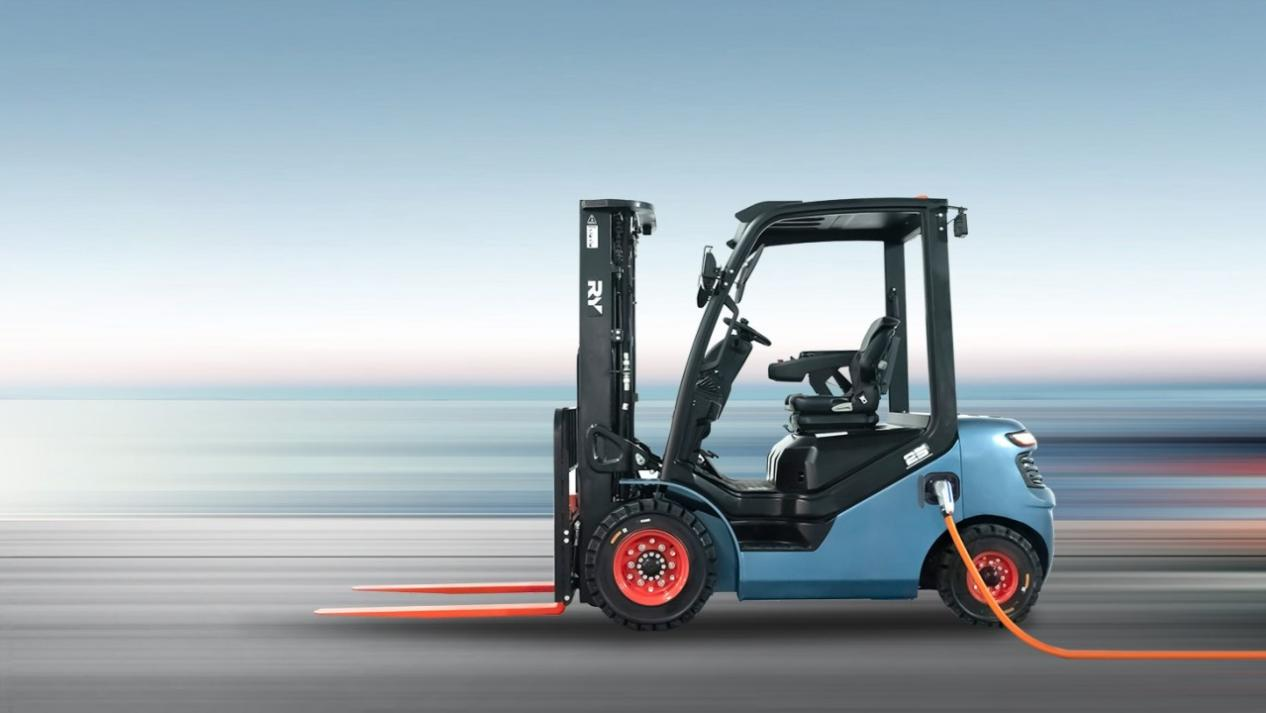
Forklift overheating happens when your machine struggles to keep cool. You can face expensive repairs and downtime if you ignore the warning signs.
Technician fees and parts can run from hundreds to thousands of dollars.
You might lose over $640 in just four hours of downtime.
Workflows slow down, shipping gets delayed, and productivity drops fast.
Other forklifts work harder, risking more breakdowns.
If you spot symptoms, act quickly to keep your forklift running and your warehouse moving.
Key Takeaways
If your forklift does not have enough coolant, it can get too hot. You should check the coolant before every shift. This helps stop engine problems.
Clean the radiator often so air can move through it. Take out dirt and trash every 500 to 600 hours of use. This helps your forklift stay cool.
Do not put too much weight on your forklift. Look at the load limits and make sure the load is even. This stops overheating and keeps everyone safe.
Forklift Overheating Causes
Low Coolant Levels
Low coolant is a big reason forklifts get too hot. If your forklift does not have enough coolant, the engine gets too warm. This can make the engine overheat and break important parts. You might see steam coming out of the engine area. Warning lights may turn on in the dashboard. The console might feel hot, or you could see leaks under the forklift. If the temperature gauge goes into the red, that means there is a problem.
Tip: Do not ignore sudden coolant leaks or loud sounds from your forklift. These are early signs that your cooling system needs help.
Check Your Forklift for Coolant Issues
You can find coolant problems before they get worse. Here is an easy checklist to use:
Look for leaks under your forklift.
Check coolant levels when the engine is cool.
See if the radiator has dirt or trash in it.
Test the fan belt to see if it is tight or worn out.
Make sure you use the right coolant. Using water instead of coolant can make the forklift overheat.
Doing regular forklift maintenance helps you find these problems early. Pressure testing the coolant system and checking hoses and clamps also keeps your cooling system working well.
Prevention Tips
Keep your forklift working well by doing these things:
Always use the right coolant for your forklift.
Check coolant levels before every shift.
Clean the radiator and cooling system often.
Watch out for high heat and humidity, which can make overheating worse.
Use technology like thermal management systems to check engine temperature.
If you keep up with forklift maintenance and cooling checks, you can stop forklift overheating and avoid expensive repairs.
Debris in the Radiator
Signs of Blockage
You might not always see forklift overheating coming, but debris in the radiator is a common cause. When dust and dirt build up, they block airflow and make it hard for your forklift to stay cool. This can lead to overheating and even cause your forklift to stop working during a busy shift.
Here are some signs you should look for:
Check the radiator fins for dirt or debris.
Use a flashlight to spot any blockages.
Listen for strange sounds that could mean airflow is restricted.
Tip: If you work in a recycling center or a dusty warehouse, your forklift faces more airborne dust. This makes radiator clogging more likely and can lead to downtime.
Cleaning and Maintenance
You can prevent overheating by keeping your radiator clean. Start by removing large debris by hand. Then use compressed air to blow out the rest of the dust. Make sure you clean the radiator every 500-600 hours of operation, or more often if your workplace is dusty.
Always check that the cooling fans work well.
Monitor coolant levels as part of your forklift maintenance routine.
Keep the radiator free from dust and debris for the best cooling.
Lift Truck Care for Radiator Health
Regular forklift maintenance keeps your machine running smoothly. Set a schedule to inspect and clean the radiator. If you spot any blockage, act fast to avoid forklift overheating. Clean radiators help your forklift work better and last longer.
Overloading and Lift Truck Care
Risks of Overloading
Putting too much weight on a forklift is risky. The engine and cooling system have to work harder. This can make the forklift get too hot. Overloading also makes the forklift wobbly. It might tip over or you could lose control. If the load is not balanced, it is even more dangerous. If you do not tie down the load, it could fall off. This can hurt people or break things. Always check how much your forklift can lift. Make sure the cargo is secure before you pick it up. Overheating from too much weight happens a lot. You can stop this by using safe habits.
How to Check Your Forklift Load
You should check your load before you use the forklift. Here are some easy steps to follow:
Find out how much your forklift can carry.
Weigh the load if you do not know the weight.
Make sure the load is balanced in the middle.
Try lifting the load to see if the forklift stays steady.
Look at the manufacturer’s guide if you are not sure.
Watch the load while you drive and fix it if needed.
Here is a table with common load limits:
| Forklift Type | Load Limit (lbs) |
|---|---|
| Standard Warehouse Forklifts | 3,000 – 5,000 |
| Industrial Forklifts | 10,000 – 20,000 |
| Specialized Heavy-Duty Forklifts | 30,000 or more |
Preventive Lift Truck Care
Taking care of your forklift helps it work better. Check your forklift every day as part of your routine. Look for leaks and low fluids. Fix problems before they get worse. Add coolant, hydraulic fluid, and oil when needed. Give your forklift a break if you use it a lot. Good lift truck care stops overheating and keeps your forklift working well. Training can help you spot problems early and teach you what to do.
You can help your forklift last longer by checking it often. Look for leaks and clean the radiator to stop problems. Watch for warning signs that something is wrong. Try using this simple checklist:
Look at the coolant and hoses for any problems.
Remove dust and debris from your forklift.
Make sure you do not go over the load limits.
Watch for steam or strange sounds.
Let your forklift cool down if it gets too hot.
If you keep having problems or things seem hard to fix, call a professional. Fixing things early saves money and keeps people safe. Here is what might happen if you ignore the first signs:
| Cost Implication | Description |
|---|---|
| Higher Repair Bills | Small problems can turn into big, costly repairs. |
| Lost Work Time | Big repairs mean you lose time and money. |
| Possible Fines | Not following safety rules can lead to fines. |
| Worker Injuries | Overheating can cause accidents and hurt people. |
| Damage to Property | Equipment breaking can damage things and cost more money. |
| Shorter Forklift Life | Skipping checks can make your forklift wear out faster and need replacing. |
Stay alert, use your checklist, and ask for help if you need it!
FAQ
What should you do if your forklift overheats during a shift?
Stop using the forklift right away. Let it cool down. Check coolant levels and look for leaks. Call a technician if the problem continues.
How often should you check your forklift’s coolant and radiator?
You should check coolant and radiator before every shift. Regular checks help you spot problems early and keep your forklift running smoothly.
Can you use water instead of coolant in your forklift?
You should not use water instead of coolant.
Water does not protect the engine from overheating or corrosion.
