


AUGUST 28, 2025
3 Warehouse Material Handling Questions for Peak Seasons


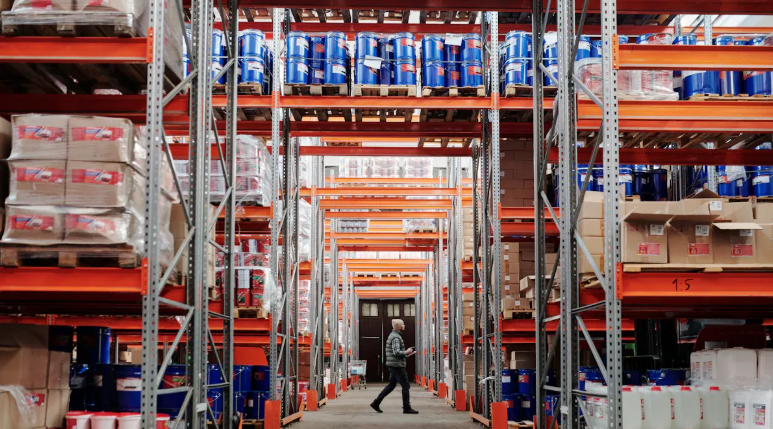
Warehouse Material Handling teams have big questions before busy times. They need to check equipment, layout, and workers. Experts say teams should watch labor cost per order, training costs, error rates, and daily work. Teams often face too much inventory, surprise demand, and helping flexible warehousing partners.
| Challenge | Description |
|---|---|
| Overflow and Surge Capacity | Warehouses can get too full fast. They need quick help to handle extra inventory and more shipments. |
| Optimizing 3PL Relationships | Flexible warehousing helps 3PL partners. It gives more space and order help for a short time. This makes teamwork better. |
| Managing Unpredictable Demand | Bad demand guesses cause empty shelves and late orders. This makes it hard to keep up during busy times. |
Key Takeaways
Look at equipment often to make sure it works right. This stops problems and helps things go well when it gets busy.
Make the warehouse better by using tall shelves and putting popular items close to where things ship. This makes orders faster and helps workers do their jobs better.
Think about how many workers you need before busy times start. You can use temp-to-hire jobs to help with more work. This lets you handle more orders without hiring people for a long time.
Warehouse Material Handling Equipment
Equipment Readiness
Warehouse teams need to check if their equipment works well. The holiday season is very busy and fast. Many warehouses use portable stack racks at this time. These racks help by adding more storage space up high. Workers can put them together quickly in empty spots. This keeps products neat and safe. Clear walkways help forklifts move fast. This helps the supply chain work better.
To get ready, teams should:
Make sure equipment can work longer without breaking.
Think about renting more forklifts or other tools if needed.
Do regular maintenance to stop sudden problems and keep everyone safe.
Before busy times, leaders should check all equipment. They need to find old machines and see how much it costs to keep them working. Setting clear upgrade goals helps teams focus. A good budget should pay for buying, fixing, and training. Safety upgrades and new tech can make work easier and faster.
Maintenance Planning
Planning maintenance helps the warehouse run well. Teams should do preventive maintenance before holidays start. This lowers the chance of equipment breaking. Regular checks keep equipment safe and ready for hard work. Some warehouses use special tools to find problems early.
| Preventive Maintenance Task | Description |
|---|---|
| Comprehensive Maintenance Schedule | Plan regular checks and repairs during slow times. |
| Preventative Maintenance Program | Follow a routine based on expert advice and past data. |
| Regular Inspections | Check for cleanliness and safety issues to catch problems early. |
| Robust Training Program | Teach staff to spot and report equipment issues right away. |
Tip: Good maintenance keeps the warehouse safe and helps the supply chain meet customer needs.
Warehouse Layout Optimization
Space Utilization
Warehouses fill up fast during the holidays. Teams need to use all space well to meet demand. Using tall shelves helps store more items. Adding a mezzanine gives extra storage in tall buildings. Cross-docking moves products from receiving to shipping right away. This means less time in storage. A warehouse management system tracks inventory as it comes and goes. It helps teams find open spots quickly. Slotting strategies put popular items where workers can grab them fast. Regular inventory audits show where space is wasted.
| Strategy | Description |
|---|---|
| Maximize Vertical Space | Adding a mezzanine can nearly double the floor space available for storage, especially in high-ceiling warehouses. |
| Implement Cross-Docking | Directly transferring products from incoming to outgoing transport reduces storage times and maximizes space utilization. |
| Invest in a Warehouse Management System (WMS) | A WMS improves inventory management and space utilization through real-time tracking and reporting. |
| Develop a Warehouse Slotting Strategy | Organizing inventory based on demand optimizes space and improves picking efficiency. |
| Regular Inventory Audits | Conducting audits helps identify storage inefficiencies, leading to better space management. |
Tip: Teams that use these ideas can fill more orders and keep things moving.
Process Flow
A good process flow keeps products moving fast. Putting popular items near shipping saves workers time. Slotting analysis helps teams place products in easy spots. Automation, like robots or conveyor belts, moves goods quickly. This also lowers mistakes. Cross-docking sends items straight to trucks for delivery. This makes order handling faster. Data-driven insights help managers find slow spots and fix them quickly.
| Adjustment Type | Description |
|---|---|
| Optimize Warehouse Layout | Strategic placement of high-turnover items near shipping areas reduces travel time and speeds up order fulfillment. |
| Utilize Slotting Analysis | Placing products based on demand frequency reduces picking distance and time, improving efficiency. |
| Integrate Automation | Automation systems streamline tasks, reduce human error, and enhance order accuracy. |
| Implement Cross-Docking | Direct transfer of incoming goods to outbound shipments minimizes storage time and handling costs. |
| Leverage Data-Driven Insights | Continuous monitoring and analysis help maintain and improve product flow. |
Note: Automation helps warehouses move more products and serve customers better during busy times.
Staffing and Training
Staffing Levels
Warehouse teams have tough jobs during holidays. Managers need to plan early for enough workers. Many warehouses hire temporary workers when demand goes up. Temp-to-hire jobs help managers change staff numbers easily. This way, they do not have to keep workers long-term. More people want temp-to-hire jobs because they are flexible. Temporary workers cost less since companies skip extra benefits and taxes. If managers wait too long to hire, they rush and do not get enough staff. Hot weather can make workers tired and miss work. Planning for people leaving helps keep important jobs filled and stops delays.
Temp-to-hire jobs let managers test workers first.
Temporary workers save money and help with budgets.
More people apply for temp-to-hire jobs, so demand is met.
Training Needs
Training helps staff work fast during busy times. Managers use short training sessions to teach safety and job rules. Digital training lets new workers learn before starting. New hires get paired with experienced workers for help. Clear goals show if new workers can keep up. Feedback lets workers share problems quickly. This helps with inventory and handling.
| Training Strategy | Benefits |
|---|---|
| Short training session | Teaches safety, job rules, and company policies at once |
| Digital training packets | Helps new hires learn before their first day |
| Mentorship system | Gives new workers help from experienced staff |
| Clear goals | Shows if new hires can handle the work |
| Feedback system | Lets workers report problems to stop slowdowns |
Managers watch training costs and check how workers do after training. They see if training helps save money. Good training and enough staff keep the supply chain strong and stop inventory problems.
Warehouse material handling teams get ready before holidays. They look at equipment, layout, and workers early. Planning ahead for shipping and storage helps the supply chain stay strong. A fast team meeting lets everyone check if they are ready and find problems before orders go up.
FAQ
How often should teams inspect warehouse equipment during peak seasons?
Teams need to check equipment every day. Fast checks stop problems and keep work safe. This helps everything run smoothly.
What layout change improves order picking speed the most?
Put popular items near the shipping area. This means less walking for workers. They pick orders faster and make fewer errors.
How can managers train new staff quickly for busy periods?
Managers give short lessons and use online guides. New staff work with experienced workers to learn jobs quickly.
