


 English
 November 21, 2025
Forklift Weather Protection While Working in a Winter Wonderland


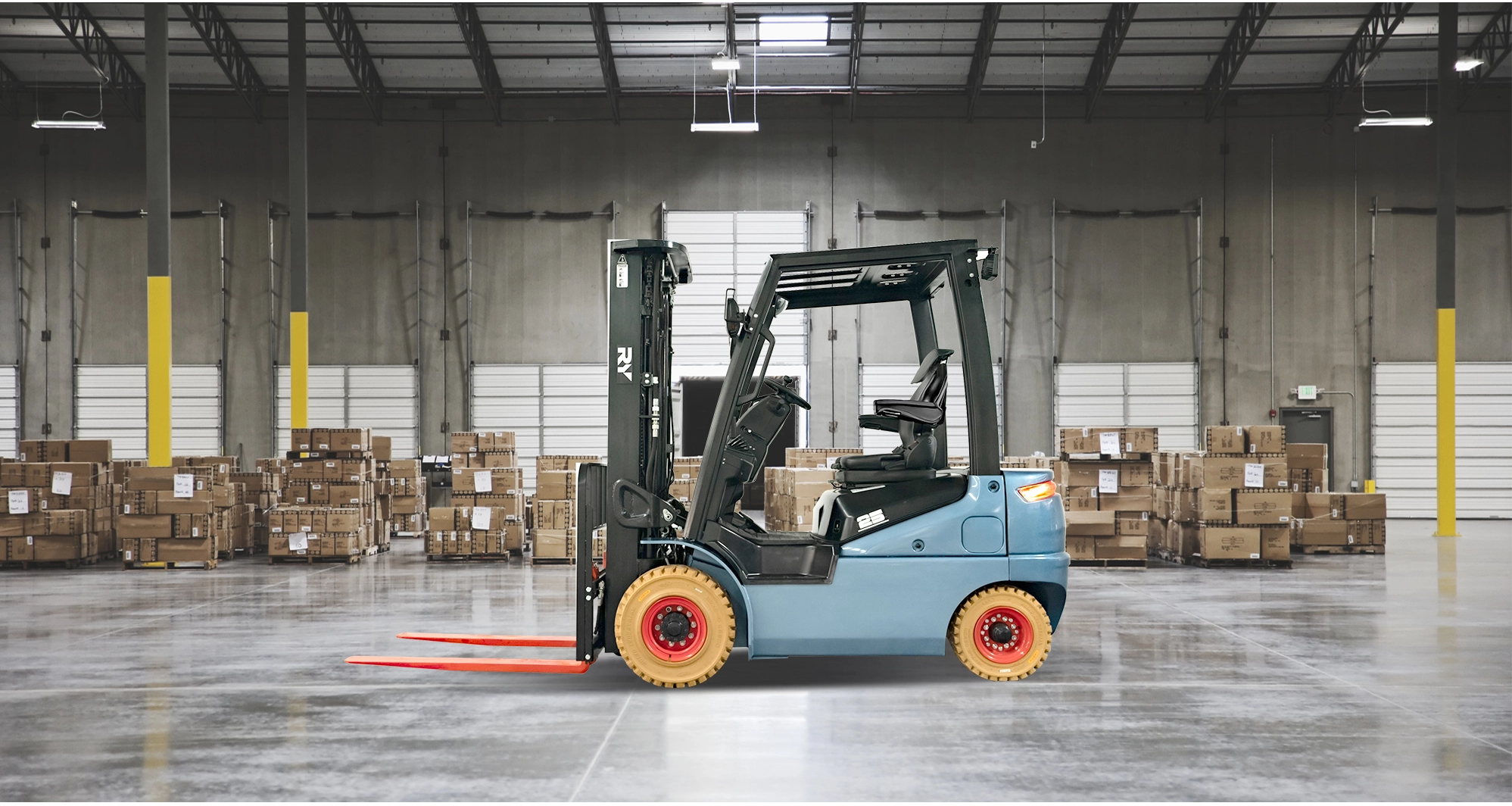
You know how tough it gets when you operate a forklift in winter conditions. Snow piles up, surfaces get slippery, and your hands feel cold even with gloves. These working conditions make every move count, both for your safety and your machine’s health. Cold weather can lower battery power, reduce traction, and even make simple tasks risky. That’s why you need real solutions that protect both you and your forklifts. Royal stands with you, making winter safer and smarter.
Key Takeaways
Get your forklift ready for winter by warming up the engine. Check the tire pressure before every shift. This helps the forklift work better and keeps everyone safe.
Use weather-proof cabins and heated features to keep operators warm. This helps them stay focused. It also helps them work well in tough weather.
Inspect your forklift every day and use a safety checklist. This helps you find problems early. It lowers the chance of accidents and keeps the forklift working well.
Essential Cold Weather Protection for Forklifts
Immediate Steps for Winter Readiness
Winter can come quickly and be very cold. You should get your forklift ready before snow starts. Cold weather protection begins with easy steps that help a lot. Here are things you can do now to make your forklift safe for winter:
Warm up the engine for ten minutes before working. This helps your forklift work better in cold weather.
Move the forks slowly to warm up the hydraulics. This keeps your equipment working, even when it is very cold.
Put outdoor forklifts inside during winter months. This keeps them safe from snow, ice, and cold weather.
Charge the battery more often in winter. Cold can make batteries weak, so watch them and use a battery tender if you need to.
Put grit on outdoor surfaces to stop slips and falls. Snow and ice make the ground slippery, so keep your work area safe.
Check tire pressure and tread depth before every shift. Cold and snow can change how tires grip the ground.
Use LED lights to see better in snow or fog.
Look at hydrometers and hoses for antifreeze and leaks. This stops engine damage and keeps your forklift working.
Use snow chains for more grip when it is slippery.
Keep job sites plowed and gritted. This keeps your team and equipment safe.
Tip: Train your operators to drive safely in winter. Being careful helps keep everyone safe when using forklifts in cold weather.
Royal Solutions for Cold Weather Challenges
Royal knows winter is hard for forklifts and workers. You need protection that really works. Royal’s weather-proof cabins keep your forklift safe from snow, ice, and cold. You can pick cabins made of waterproof PVC that you can put on quickly. You can also choose cabins that are small but keep out cold and have heating. These cabins keep you warm and help stop breakdowns, so you can keep working even when it is very cold.
Royal’s high-voltage systems help electric forklifts work well in cold. You get strong power, even when it is freezing. Advanced technology, like fingertip controls and dual pedal systems, helps you drive safely and easily in winter. Royal’s equipment works well in winter, so you do not have to worry about breakdowns or losing time.
Here is a quick table showing how Royal helps you get your forklift ready for winter:
| Royal Feature | Winter Weather Benefit |
|---|---|
| Weather-proof cabins | Keeps out snow, ice, and cold |
| High-voltage systems | Battery works well in cold |
| Heated cabins | Keeps you warm and helps you see |
| Advanced controls | Safe and easy driving in winter |
Royal is here for you! You get the protection you need for forklift safety in winter, no matter how cold or snowy it gets.
Winter Forklift Maintenance Best Practices
Taking care of your forklift in winter helps it work well. Cold weather can make it hard for machines to run. You want your forklift to work every day, even when it snows. Royal gives smart ways to keep your forklift strong in tough weather. Let’s learn how to protect your forklift and keep your team safe.
Battery and Fluid Care in Cold Weather
Cold weather can make batteries weak and fluids thick. You need to watch these parts closely in winter. Here are some easy tips for forklift maintenance:
Charge batteries often. This keeps them ready and helps them last.
Use smart chargers and good connectors. These stop batteries from getting too much charge.
Store batteries in warm places. Cold can hurt how batteries work.
Use covers to keep batteries warm. This helps them work better.
Check and clean batteries a lot. Rust can make batteries die faster.
Teach your team how to care for batteries. Good habits mean fewer problems.
Keep temperatures steady so water does not freeze inside parts. Let your forklift dry before putting it in cold storage. Use sprays and parts that stop rust. Always check fluids, seals, and wires.
Here’s a table with more battery and fluid care steps for winter:
| Procedure | Description |
|---|---|
| Warm batteries above freezing before charging | Stops damage and keeps batteries working well |
| Use chargers that match battery type and size | Makes charging safe and works better |
| Charge batteries at 20-30% power | Helps batteries last longer and forklifts stay ready |
Hydraulic systems need extra care in cold weather. Use hydraulic fluid made for winter. Pick fluid that flows easily when it is cold. Always check what the maker says to use. Test hydraulic systems to see if they lift well. Look at hoses for leaks or damage. Change to winter fluid if you need to.
Tip: Check batteries and fluids often in winter. This helps you stop problems and keep your forklift working.
Tire Maintenance and Upgrades
Tires help forklifts grip the ground in snow and ice. You need to check tires every day in winter. Look for worn tread and make sure the pressure is right. If you work outside, think about getting better tires.
Tire chains and studs help forklifts grip icy ground.
Chains break up ice so you can control the forklift.
Chains also help keep the forklift steady when turning.
Here are some tips for tires in winter:
Drive slower to stay safe and avoid accidents.
Carry only the right load to stop tipovers.
Do not make sharp turns so chains do not slip.
Using tire chains makes forklifts safer in winter. You get better grip and control, but stopping takes longer. Make slow, gentle turns and check chains every shift.
Pre-Shift Inspections for Winter
Check your forklift before each shift in winter. This helps you find problems early. OSHA says you must check your forklift every day, especially in winter. If you find something wrong, report it and fix it fast.
Here’s a checklist for winter inspections:
Check fluids like oil and hydraulic fluid. Make sure they are ready for winter.
Look at tires for worn tread. Think about special tires for snow and ice.
Make sure all lights work so you can see well.
Keep the battery charged and do regular checks.
Clean your forklift after each shift to stop snow and dirt from building up.
Test seat belts, guards, alarms, lights, horns, finger guards, brakes, and steering.
Note: Good inspections help keep your team safe and forklifts ready for work.
Upgrades for winter give you long-term benefits. Cab doors and windshields protect drivers from weather and falling things. Heaters and closed cabs keep everyone warm. This helps people work better and feel good. Strong upgrades save money and help forklifts last longer.
Here’s a table showing why winter upgrades are good:
| Benefit | Description |
|---|---|
| Safety | Cab doors and windshields protect drivers from weather and falling things |
| Comfort | Heaters and closed cabs keep drivers warm |
| Productivity | Warm cabs and fewer problems help people work better |
| Long-term Cost Savings | Strong upgrades lower repair costs and help forklifts last longer |
Royal helps you with the best winter forklift care tips and solutions for every season.
Cold Weather Protection for Operators
Proper Clothing and High-Visibility Gear
Wearing the right clothes in winter keeps you safe. Insulated workwear helps you stay warm and work well. You can wear an Extreme Softshell Jacket for cold weather. It protects you in freezing temperatures, even down to -60°F. Extreme Softshell Bib Overalls give extra warmth. Some styles are HiVis, so others can see you. The PolarForce Collection works for many jobs and lets you move easily. Insulated gloves, like the Extreme Freezer Mitt, keep your hands warm. Special work boots, such as the Extreme Pac Boot, keep feet dry and warm. High-visibility gear helps people see you in snow or fog.
Heated Cabins and Comfort Features
A heated cabin makes working in winter easier. Royal’s enclosed compartment keeps you warm and blocks wind and snow. Heated cabins help you work well, even in storms. Adjustable air vents move warm air around inside. Defroster vents clear frost and ice from windows. This helps you see outside. Thermal insulation keeps the temperature steady. HVAC systems help you focus on your job, not the cold.
| Feature | Benefit |
|---|---|
| Temperature Control | Keeps you comfortable and productive |
| Heated Cab | Lets you work even in harsh winter conditions |
| Adjustable Air Vents | Circulate warm air for steady comfort |
| Defroster Vents | Clear frost and ice for better visibility |
| Thermal Insulation | Maintains a cozy temperature |
| HVAC Systems | Helps you focus on your tasks |
Visibility and Safety in Snowy Conditions
Snow and fog make it hard to see. Forklift parts, like the counterweight or overhead guard, can block your view. This is worse in winter. It is hard to spot obstacles when you cannot see well. Training helps you drive safely when you cannot see much.
Keeping the area clean and bright helps you see better. Clear aisles and use bright lights to stay safe.
Safety mirrors and sensors help you spot dangers. Cameras let you see around blind spots. Good lighting in the warehouse helps you see in dark spots. Always use salt or sand on the ground to stop slips. Drive slowly and keep people and trash out of the work area.
Forklift Safety Tips for Winter Operations
Adjusting Speed and Maneuvering on Ice
Driving a forklift in winter can be dangerous. Ice makes the ground slick and hard to drive on. You should drive slower and turn carefully. Be extra careful near corners and doorways. If you see ice or snow on the forks or loads, stop and clean it off. Tire chains or studs help your forklift grip the ground better. Slow down early when you want to stop. Never hurry when driving on ice. These safety tips help you avoid accidents and stay in control.
Tip: Check for ice before you start working. Even a little ice can cause big trouble.
Clearing Snow and Environmental Hazards
Keep your work area clear to stay safe. Snowplows can be put on forklifts to move snow away. Dump buckets spread sand or gravel to help tires grip ice. Anti-slip tapes or covers make controls easier to hold. Wear personal protective equipment to stay safe from cold weather. Always follow your company’s rules about changing forklifts.
| Method | Description |
|---|---|
| Snowplows | Steel snowplow scoops can be attached to forklifts to clear snow from areas. |
| Dump Buckets | Used to spread sand and gravel for better traction in icy conditions. |
| Anti-Slip Treatments | Enhancements like tapes and covers to improve grip on controls. |
| Personal Protective Equipment | Essential gear for operators to ensure safety in adverse weather. |
| Policy Restrictions | Understanding company policies regarding forklift modifications is crucial. |
Watch the weather and stay alert. If the weather gets too bad, wait to work until it is safe.
Using Windshields and Covers for Protection
Windshields and covers help protect you from cold and keep you safe. Polycarbonate covers block snow and rain. Full cabs with doors and windshields give you more protection from bad weather. These tools help you see better and stay warm, even when it is freezing. Good traction and clear views help stop accidents and keep you safe. Always make sure your covers and windshields are clean before you start working.
Remember: Good safety tips help you and your team stay safe all winter.
Winter Forklift Safety Checklist
Daily Inspections and Monitoring
You need your forklift ready for winter each day. Begin every shift by checking your forklift. This helps you find problems before they get worse. Look at the tires for low pressure or cracks. Check if the tread is worn out. Make sure all fluids are filled, like oil, coolant, and hydraulic fluid. Look at the battery terminals for rust and test the battery’s power. Check the hydraulic system for leaks or damage. Clean the air intake and filters so nothing blocks them. Use winter oil to grease moving parts. If you work outside, use battery warmers. Try to keep your forklift inside when you can. Put chains on tires for better grip on ice.
Here’s an easy checklist for you and your team:
Look at tires for air and damage
Check battery ends and how much charge it has
Make sure oil, coolant, and hydraulic fluid are full
Test lights, horn, and backup alarm
Grease moving parts
Clean air intake and filters
Warm up the forklift before using it
Keep forklifts in covered places
Training and Communication for Staff
You keep everyone safe by sharing safety steps and rules. Royal says training is important for winter forklift safety. Teach your team about cold weather dangers and how to spot them. Training helps drivers follow rules and lowers accidents. Use two-way radios to give quick updates. Set up check-ins so everyone says where they are. Tell your team about weather changes. Make sure everyone knows what to do in an emergency and how to report problems. Use different ways to talk to all staff, even when it is hard to reach them.
| Strategy | Description |
|---|---|
| Two-way radios | Give fast updates during winter work |
| Check-in protocols | Share where you are and how you are doing |
| Weather awareness | Know when the weather changes |
| Emergency procedures | Learn what to do in cold weather emergencies |
| Multi-channel tools | Talk to all team members quickly |
Stay alert, talk often, and follow safety steps. Royal is with you!
You can keep your forklift working well in winter. Follow smart safety steps every day. Add weather-resistant features to your forklift. Train your team for cold weather. Use a safety checklist before you start work. Stay alert and act early. Royal’s solutions help you work safely and save money.
Add weather-resistant features to forklifts
Train your team for winter work
Use a safety checklist every day
| Benefit | Description |
|---|---|
| Fewer repairs | Stops surprise bills |
| Less downtime | Keeps your team working |
| Safer operations | Lowers accident risks |
Be ready, stay safe, and let Royal help you!
FAQ
What should you check on your forklift before starting work in winter?
You need to look at tires, battery, fluids, and lights. Make sure everything works. Warm up your forklift before you use it.
How do Royal’s weather-proof cabins help you in cold weather?
Royal’s cabins keep you warm and dry. You stay comfortable. Heated cabins help you see better and work longer in winter.
Tip: Always close the cabin doors to block wind and snow.
Can you use regular forklift tires in snow?
You can use regular tires, but snow chains or special winter tires give you better grip. You stay safer and avoid slips.
| Tire Type | Winter Benefit |
|---|---|
| Regular Tires | Basic grip |
| Snow Chains | Extra traction |
| Winter Tires | Best for icy ground |
