


 English
 AUGUST 28, 2025
Protecting Your Forklift from High-Heat Applications


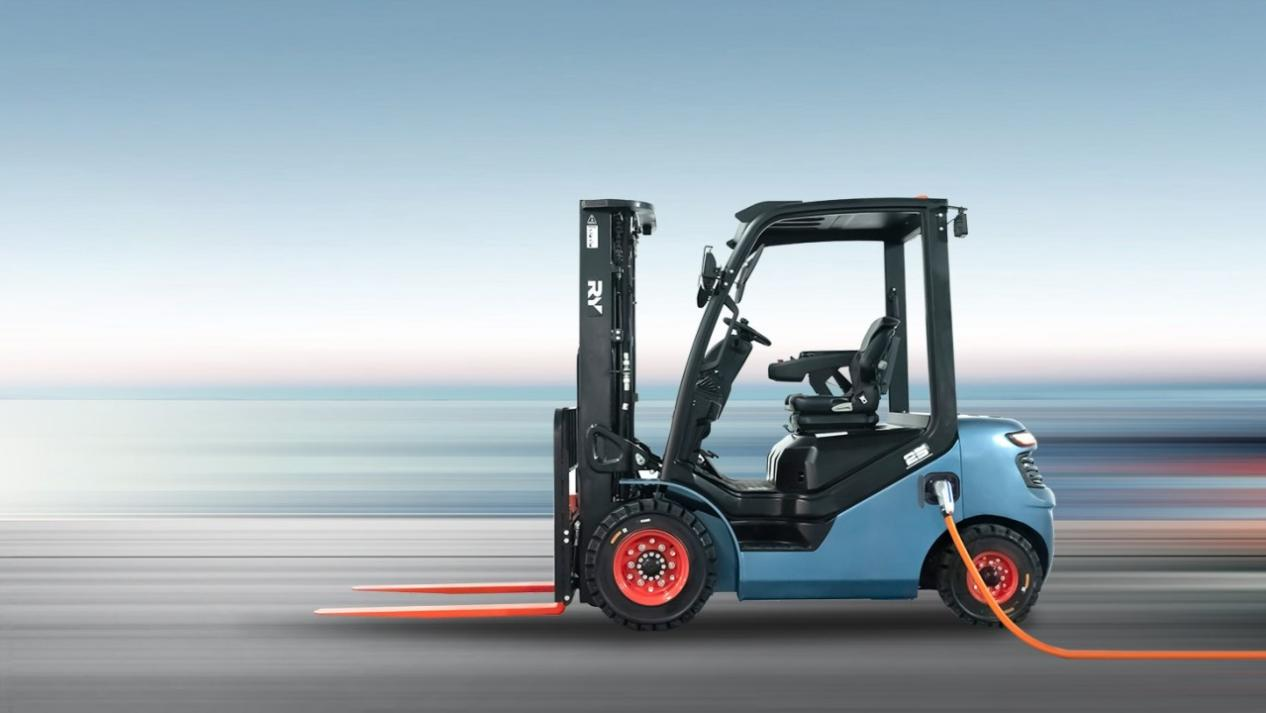
You want to focus on protecting your forklift from the hot summer sun. Daily checks and a solid maintenance plan are crucial for this. High heat can damage your forklift quickly. It’s essential to address small issues before they escalate. Regular inspections are key to identifying problems early, which keeps your forklift safe to use. Refer to this table to see how these steps contribute to protecting your forklift and enhancing its safety:
| Step | Why It Matters |
|---|---|
| Regular maintenance | Makes your forklift last longer |
| Preventive maintenance | Finds problems before they get bad |
| Proper lubrication | Stops parts from rubbing and breaking |
| Full inspections | Helps you stop heat damage early |
Key Takeaways
You need to do regular maintenance. This helps your forklift work longer. It also stops small problems from getting worse.
Check your forklift every day. You can find overheating early. Look for leaks and listen for odd sounds. Check fluid levels to keep your forklift safe.
Take care of the coolant. Always check the coolant level. Use the right coolant to stop the engine from getting too hot.
Keep the radiator clean. Take out debris every day. This helps air move well and keeps the forklift cool. This is very important in hot places.
Drink water and rest during hot work. This keeps you safe. It also helps you pay attention when using the forklift.
High Heat Risks for Forklifts
Common Environments
You might not realize how many places put your forklift at risk from high heat. Some work sites get extremely hot, especially where heavy machines run all day. Here are some of the most common environments where you need to watch out for high heat:
Foundry
Casting
Forging
You also see high temperatures in steel mills, metal shops, glass plants, and paper mills. These places often have big machines and furnaces that make the air even hotter. When you work in these areas, your forklift faces more heat-related issues than in regular warehouses. The heat can build up fast, especially if you use your forklift near ovens or molten metal.
Tip: Always check the temperature in your work area before you start your shift. If it feels hotter than usual, your forklift could be at risk.
Warning Signs
High heat can sneak up on your forklift. You need to know what to look for so you can stop problems before they get worse. Watch for these warning signs of forklift overheating:
The temperature gauge moves into the red zone.
You see steam coming from the engine compartment.
You hear backfiring or a loud growling noise during operation.
The cabin airflow feels unusually warm.
If you notice any of these signs, stop and check your forklift right away. High heat can damage the engine, melt wires, or even cause a fire. Quick action keeps you safe and helps your forklift last longer.
Protecting Your Forklift in High Heat
Radiator and Coolant Care
You need your forklift to work well when it is hot. The radiator helps stop the engine from getting too hot. Check the radiator every day for leaks or cracks. Look for rust or other damage too. If you find a problem, fix it before using the forklift.
Check the coolant level each morning. If the coolant is low, the engine can get too hot fast. Always use the right coolant for your forklift. Using the wrong coolant or mixing types can hurt the radiator. This makes the engine less safe.
Here’s a quick checklist for radiator and coolant care:
| Task | Why It Matters |
|---|---|
| Inspect radiator for leaks | Stops overheating early |
| Check coolant fluid levels | Keeps engine protection strong |
| Use correct coolant type | Prevents corrosion |
Tip: If you see steam or smell something sweet near the engine, check the radiator right away. These are signs of overheating.
Debris and Airflow
Dirt and trash can get stuck in the radiator. This stops air from moving through it. When air cannot move, the cooling system does not work well. In hot places, this can make the forklift overheat quickly.
Clean the radiator screens every day. Remove dust, paper, or metal bits. These things block air and make the engine hotter. Good airflow helps keep the engine cool and safe.
Here’s what debris can do to your forklift:
Debris around the radiator can block airflow.
This blockage prevents effective cooling of the engine.
In high-heat environments, this can lead to increased risk of overheating.
You should also make sure air moves well in your work area. Let air flow around your forklift. Use fans or open windows to help. This keeps the air fresh and stops fumes from building up.
Ensure proper ventilation in forklift workspaces to prevent harmful emissions accumulation.
Maintain continuous air circulation, especially during harsh weather, to avoid fume buildup.
Schedule regular forklift maintenance to reduce toxic emissions from poorly maintained engines.
Encourage the use of electric forklifts to eliminate exhaust emissions and improve indoor air quality.
Note: If you work inside, check that fans and vents are working. Good ventilation keeps your forklift cool and safe.
Attachment and Joint Checks
Heat can make metal parts get bigger. This can make bolts, joints, and attachments loose. You need to check these parts often to keep them safe.
Look at all bolts and joints before you start work. If you see loose bolts or stretched joints, tighten them. Heat can make parts slip or break, which is dangerous.
Check hoses for cracks or leaks. Hot weather can make hoses weak and easy to break. Change any bad hoses right away. This helps the cooling system and keeps the engine safe.
Here’s a simple list to follow:
Check attachment bolts for tightness.
Inspect joints for signs of heat expansion.
Look at hoses for cracks or leaks.
Callout: Protecting your forklift means checking every part that heat can damage. Small fixes now can save you from big repairs later.
High Heat Maintenance Tips
Daily Inspections
You can stop damage by checking your forklift every day. Hot weather makes problems show up fast. Start by walking around your forklift. Look for leaks or loose parts. Notice anything that looks strange. Listen for odd sounds. If you find a problem early, you can fix it fast.
Here’s a simple checklist to help you remember what to check:
| Checklist Item | Description |
|---|---|
| Fluid Levels | Check engine oil, hydraulic fluid, coolant, and brake fluid to stop overheating. |
| Cooling System | Look at the radiator and cooling fins for damage or blockages. This helps keep things cool. |
| Coolant Levels | Make sure there is enough coolant so the engine does not get too hot. |
Daily checks help you find small problems before they get big. This keeps your forklift working and your team safe.
Checking your forklift every day helps you spot problems early. This habit stops breakdowns, especially when it is hot outside.
| Frequency | System/Area | Example Trigger | Purpose |
|---|---|---|---|
| Daily | Operator care & walkaround | See or hear something strange | Find problems before they get worse |
Battery and Tire Checks
Batteries and tires have a hard time in hot weather. When it is hot, batteries lose power faster. They can even lose power when not being used. If it gets hotter than 113°F, the battery can start to break inside. This can cause corrosion, which blocks electricity. If you do not check, the battery may not work or could even catch fire.
Hot weather makes forklift batteries lose power.
Batteries lose charge even when not used.
Heat causes corrosion inside the battery, which damages it and makes it not last as long.
Very hot weather can cause thermal runaway, which is very dangerous.
Check your tires too. Heat can make the rubber soft or cracked. Look for worn spots, low air, or damage. Change any tire that looks unsafe. Good tires help keep your forklift steady and safe.
Tip: Use things like battery covers or tire shades to keep these parts cooler during the hottest times.
Hydraulic and Fluid Levels
Hydraulic systems work harder when it is hot. You need to check fluid levels often to stop damage. Always do these steps:
Make sure the forklift is steady and turned off.
Find the hydraulic oil tank.
Use the dipstick or sight glass to check the oil.
Wipe the indicator before you check.
Look at the oil level marks.
Add oil if it is low, but do not put in too much.
Look for leaks or puddles under the forklift.
Write down what you see in your log.
When hydraulic fluids and lubricants get too hot for a long time, they break down. The oil gets thin and cannot protect parts well. This causes more rubbing, faster wear, and sludge. When oil breaks down, it cannot stop rust or damage, and your forklift wears out faster.
Use tools like fluid coolers or shields to keep your hydraulic system safe. Checking and caring for your forklift often gives you the best protection from heat damage.
Operating a Forklift Safely in High Heat
Operator Comfort
When you spend hours operating a forklift in high temperatures, comfort matters. You can use enclosed cabins with air conditioning or install cooling fans. These options give you instant relief and help you control your own comfort. Fans move air around the cabin and lower humidity, so you feel cooler and less tired. Some systems, like Cabin Cool, can drop the air temperature around you by up to 25 degrees. Compact air conditioners, such as the ClimaT2200Pro, fit even in small cabins and keep you comfortable during long shifts.
Air conditioning gives you quick relief and helps you work better.
Cooling fans keep air moving and stop heat from building up.
Special cooling systems work well for open-air forklifts and use little power.
Staying cool helps you avoid fatigue and keeps your focus sharp. When you feel good, you make fewer mistakes and keep the engine running safely.
Breaks and Hydration
You need to take more breaks when working in high temperatures. Your body loses water fast, so you must stay hydrated. Drink cold water often, not just when you feel thirsty. Keep water close by, like in breakrooms or near your work zone. Take breaks in the shade and eat small snacks to keep your energy up.
Take more breaks during hot shifts.
Drink water often and rest in cool places.
Supervisors should watch for signs of heat stress and adjust workloads.
| Evidence | Description |
|---|---|
| Fatigue and Dehydration | High temperatures can make you tired and dizzy. |
| Climate Control | Air conditioning and fans help keep you comfortable. |
| Regular Breaks | Taking breaks and drinking water keeps you safe and alert. |
Remember, when you stay hydrated and rest, you protect yourself and your engine from heat damage.
Emergency Procedures
Sometimes, high heat can cause serious problems like heat stroke. You need to know what to do if you or someone else feels sick. Learn the signs of heat exhaustion and heat stroke. If you notice heavy sweating, weakness, or nausea, stop working right away.
Move to a cooler area, like the shade or an air-conditioned room.
Drink water or a sports drink to rehydrate.
Cool your body with wet cloths or a cool shower.
Call for medical help if you see signs of heat stroke, such as a high body temperature or confusion.
Know how to use cooling gear, like vests, if your job provides them.
Always tell your supervisor if you feel unwell.
Quick action can save lives. Knowing these steps keeps you and your engine safe during high-heat shifts.
Inspection and Record-Keeping
Maintenance Schedules
You want your forklift to last, especially when the heat is on. Sticking to a regular maintenance schedule helps you catch problems before they turn into big repairs. High temperatures can make parts wear out faster. If you skip checks, you might miss early signs of trouble.
Here’s why you should follow a set schedule:
Regular maintenance stops heat-related breakdowns, especially in summer.
Hot weather makes parts wear out faster, so you need to check them more often.
You should always check coolant levels, look at the radiator, and keep all moving parts well-oiled.
Try setting reminders for daily, weekly, and monthly checks. Use a simple chart or checklist to track what you inspect. This way, you never miss a step. When you stick to your plan, your forklift runs smoother and safer.
| Maintenance Task | How Often | Why It Matters |
|---|---|---|
| Check coolant levels | Daily | Stops engine from overheating |
| Inspect radiator | Weekly | Prevents heat damage |
| Lubricate moving parts | Weekly | Reduces wear and tear |
Tip: Make maintenance part of your daily routine. It saves you time and money in the long run.
Tracking Heat Issues
Keeping good records helps you spot heat problems before they get worse. When you write down what you find during inspections, you can see patterns. Maybe you notice the same hose leaks every July, or the battery always gets hot in the afternoon.
Here’s how digital record-keeping can help you:
Daily inspection records help you find trends with heat issues.
Spotting these patterns lets you plan repairs before something breaks.
Using checklists or telematics systems makes it easy to track and share inspection data.
You can use a notebook, a phone app, or even a computer program. The important thing is to keep your notes clear and up to date. When you track heat issues, you keep your forklift safe and your team ready for anything.
Note: Good records make it easier to talk with your maintenance team and fix problems fast.
Taking care of your forklift in hot weather is easy if you build good habits. Look at your forklift every day. Make sure all fluids are full. Watch for any signs that something is wrong. Checking your forklift often helps you find problems early. This keeps your forklift working longer and saves money on fixing it.
Daily checks help you find problems before they get bad.
Good care keeps your forklift safe and strong.
Changing filters and adding oil helps parts last longer.
| Benefit Type | Description |
|---|---|
| Enhanced Safety | You lower the chance of accidents and injuries. |
| Increased Efficiency | Your forklift works better and does not stop as much. |
| Extended Equipment Lifespan | Taking care of your forklift means you do not need a new one as often. |
| Cost Reduction | You spend less money fixing your forklift and keep your business running. |
Be ready and check your forklift every day. This keeps your forklift and your team safe during the hot summer.
FAQ
What should I do if my forklift overheats during a shift?
Stop the forklift right away. Turn off the engine and let it cool down. Check the coolant and radiator. If you see leaks or steam, call your maintenance team. Never keep driving when the engine feels too hot.
How often should I check my forklift in hot weather?
You should check your forklift every day before you start work. Look at the fluids, tires, and battery. Daily checks help you catch problems early and keep your forklift safe.
Can I use water instead of coolant in my forklift?
No, you should not use plain water. Always use the coolant your forklift manual recommends. Coolant protects the engine from heat and stops rust. Water alone does not give enough protection.
What signs show my forklift is struggling with heat?
Look for these signs:
The temperature gauge goes up fast.
You see steam or smell something sweet.
The engine makes strange noises. If you notice any of these, stop and check your forklift.
How can I keep myself cool while driving a forklift in the heat?
Wear light clothes and drink water often. Use fans or air conditioning if your forklift has them. Take breaks in the shade. Staying cool helps you stay alert and safe.
