


AUGUST 29, 2025
Scissor Lift Safety: The Complete Guide


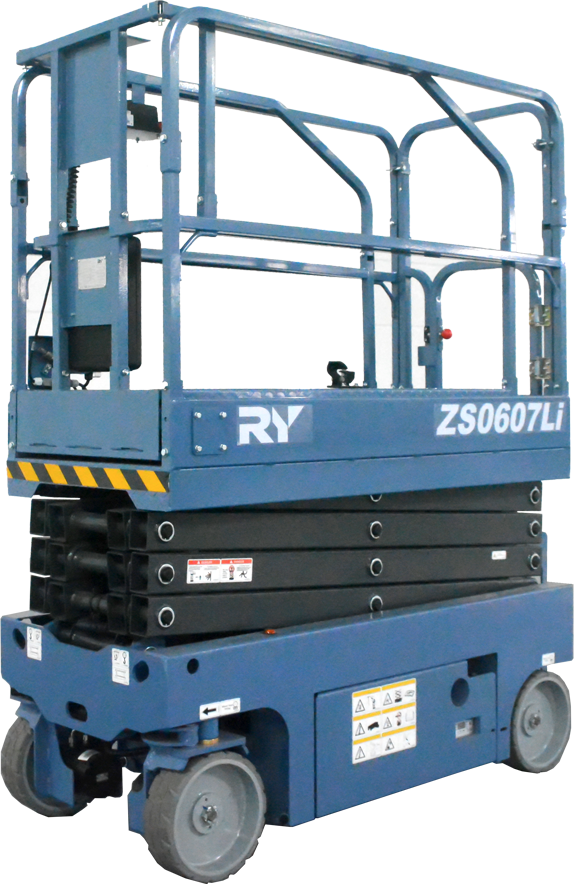
You have an important job in scissor lift safety each time you use it. Scissor lifts let you reach high spots at work. People use them in construction, maintenance, and other jobs. You need to follow simple safety rules to stay safe. Keep the lift steady. Use guardrails. Watch out for electrical dangers.
If you skip these safety steps, you could get badly hurt or even die.
About 25 percent of deaths on aerial lifts are from scissor lift accidents.
When you follow the rules and care about safety, you help make work safer for everyone.
Key Takeaways
Always use guardrails. Wear a harness when you need to. This keeps you safe from falling. It helps you stay safe when working high up.
Check the scissor lift every day before you use it. Look for leaks and broken parts. Make sure all safety devices work right.
Follow OSHA and ANSI safety rules. These rules stop accidents. They help make work safe for everyone.
Watch what is around you. Stay away from power lines. Do not use the lift in bad weather. This lowers the chance of accidents.
Tell someone about problems right away. Mark the lift as ‘out of service’ until it gets fixed. This stops injuries and keeps people safe.
Scissor Lift Safety Requirements
Essential Rules
You need to follow rules to keep everyone safe. These rules help stop accidents and lower injury risk. Scissor lift safety starts before you get on the platform.
Fall protection is very important. Always use guardrails. Wear a harness if you need to. This gear stops you from falling off the lift.
Keep the lift steady. Do not put too much weight on the platform. Follow the maker’s weight limits. Do not make quick moves.
Look around you. Make sure you are far from electrical lines and other dangers. Watch out for cars and people close by.
Check the lift every day. Look for leaks, worn tires, or broken parts. Tell someone if you find a problem.
Only trained workers should use a scissor lift. You must finish OSHA-approved training before you use it.
Tip: Always set up traffic controls near your work area. This keeps workers and people walking by safe from moving equipment.
OSHA and ANSI Standards
You must follow OSHA rules and ANSI standards to stay safe and follow the law. OSHA rules tell you what you need to do for scissor lift safety. These rules include fall protection and training.
| Regulation | Description |
|---|---|
| Fall Protection | Needs guardrails on all scissor lifts and training for workers. |
| Lift Stabilization | Makes sure scissor lifts are steady and safety systems work. |
| Lift Positioning | Says you must place lifts right to stop tipping and injuries. |
| Scissor Lift Harnesses | Needs lanyards hooked to safety harnesses when working high up. |
OSHA rules say you must use guardrails and harnesses for fall protection. You must keep the lift steady and put it on flat, firm ground. OSHA says you must check the lift before each use. Training is required. You must finish OSHA training before you use a scissor lift. These steps help you avoid accidents and follow OSHA rules.
If you do not follow these rules, you can put yourself and others in danger. Following OSHA and ANSI rules keeps everyone safe and helps your company avoid fines. Remember, scissor lift safety is not just about rules. It is about making sure everyone gets home safe every day.
Scissor Lift Basics
What Is a Scissor Lift
A scissor lift helps you reach high places safely. This machine lifts you straight up and down. You can use it for jobs like changing lights or painting. It is also good for fixing ceilings. Scissor lifts are part of mobile elevating work platforms. These machines let you work above the ground. You do not need ladders or scaffolds.
Here is a table that shows how scissor lifts are different from other mobile work platforms:
| Feature | Scissor Lift | Aerial Lift |
|---|---|---|
| Definition | Mobile supported scaffold work platforms for vertical movement of workers. | Vehicle-mounted devices for both vertical and horizontal movement of personnel. |
| Movement | Can only move vertically, directly above the base. | Can move both vertically and horizontally, reaching over structures. |
| Fall Protection Requirement | Body harnesses and lanyards are not required if guardrails are present. | Operators must use body harnesses and lanyards at all times. |
You control the scissor lift from the platform. The lift has a crisscross frame that moves up and down. Always check the guardrails before you start working. Guardrails help keep you safe when you are high up.
Why Safety Matters
Scissor lift safety keeps you and your team safe. Accidents happen when people ignore safety rules. You face dangers each time you use a lift. Some common injuries happen because of these reasons:
Tip-overs from uneven ground, too much weight, or quick moves
Falls if guardrails are missing or you do not use fall protection
Electrocutions if you touch power lines
Crushing injuries if you get stuck between the platform and something above
Mechanical failures from broken brakes or hydraulic parts
Always pay attention and follow safety steps. One mistake can cause a serious injury.
When you know the risks, you make safer choices. Scissor lift safety is not just a rule. It helps everyone get home safe every day.
Pre-Use Inspections

Daily Checklist
You need to check the scissor lift before using it. This helps you find problems that might cause accidents. Hydraulic leaks and broken parts can make the lift fail. These problems are hard to see because hydraulic systems are tricky. Mistakes and bad care make failures happen more often.
Begin your day with a simple checklist. Look for leaks under the lift. Check hydraulic lines and cylinders for wet spots or damage. Look at wheels and tires for cracks or low air. Test alarms and safety devices to see if they work. Try every button on the control panel. If something does not work, do not use the lift.
Here is a table to help you check the lift:
| Item | What to Look For |
|---|---|
| Hydraulic System | Leaks, damaged hoses |
| Tires and Wheels | Cracks, low pressure |
| Safety Devices | Alarms, guardrails, sensors |
| Controls | Proper response |
| Battery | Clean terminals, fluid level |
Tip: Always check fluid levels and fill them if needed. Put oil on moving parts as the maker says.
Addressing Defects
If you find a problem during your check, tell someone right away. Do not use the lift until it gets fixed. Follow these steps to keep everyone safe:
Tell your boss about the problem.
Put a sign on the lift that says “out of service.”
Write down the problem in the maintenance log.
Wait for a trained worker to fix the lift.
Check the lift again after it is fixed.
You help stop accidents when you report and fix problems before using the lift. Always look at the maintenance log to see repairs and plan future checks. Safety starts with you paying close attention.
Safe Operation Practices
Stabilization and Positioning
You must always make sure the scissor lift stands on solid, level ground. If you set up on loose gravel, holes, or slopes, the lift can tip over. This puts you at risk for serious injury. Before you start, walk around the area and look for hazards like drop-offs or soft spots. Never use the lift near the edge of ramps or loading docks.
Place the lift only on flat, stable surfaces.
Avoid holes, slopes, and drop-offs.
Keep at least 10 feet away from power lines.
Check that the weight on work platform does not go over the limit set by the manufacturer.
Make sure all workers have training to work near electrical hazards.
Tip: Always follow proper safe operating procedures to keep the lift steady and safe.
Movement and Elevation
When you move or raise the scissor lift, go slow and stay alert. Sudden moves can shift the center of gravity and cause the lift to tip. Never drive the lift while it is raised unless the manufacturer says it is safe. Watch for people, equipment, and other obstacles in your path.
Only operate the lift on flat, level ground.
Survey the area for hazards before moving.
Lower the platform before driving, unless your lift allows movement while elevated.
Do not overload the platform with tools or materials.
Note: Scissor lift safety depends on careful movement and attention to your surroundings.
Weather and Environment
Weather can change safe operating conditions quickly. High winds make the lift unstable and increase the chance of tipping. Rain, snow, or ice can make the ground slippery and unsafe.
| Environmental Factor | Impact on Safety |
|---|---|
| Wind Speed | Do not use the lift in high winds. Strong gusts can make the lift unstable. |
| Wind Speed Threshold | Never operate the lift in winds at or above 28 miles per hour. |
| Stabilization | Always check that the lift is stable before use. |
If you see bad weather coming, lower the lift and stop work. Always check the weather before you start. This helps you avoid accidents and keeps everyone safe.
Personal Protective Equipment
Required PPE
You need the right personal protective equipment every time you use a scissor lift. This gear keeps you safe from injuries. Start with a hard hat to protect your head from falling objects. Wear safety glasses to shield your eyes from dust and debris. Use work gloves to protect your hands from sharp edges and rough surfaces. Non-slip shoes help you keep your balance on the platform.
Here is a quick checklist for your PPE:
| PPE Item | Purpose |
|---|---|
| Hard Hat | Protects your head |
| Safety Glasses | Shields your eyes |
| Work Gloves | Guards your hands |
| Non-slip Shoes | Prevents slips and falls |
| High-Visibility Vest | Makes you easy to see |
Always check your gear before you start work. Replace anything that is damaged or worn out.
Fall Protection Options
You must use fall protection when working on a scissor lift. Guardrails come built into most lifts. These guardrails meet OSHA’s minimum safety requirements. You should always check that the guardrails are secure before you start. Sometimes, you need more than just guardrails. Personal fall protection equipment, like a harness and lanyard, gives you extra safety. Your employer should look at your work area and decide if you need more protection.
Here are the best practices for fall protection:
Use guardrails at all times.
Wear a harness and lanyard if your job requires it.
Complete fall protection training before you use a lift.
Make sure your harness fits well and connects to the right anchor point.
Take fall protection training every year to stay up to date.
Fall protection training teaches you how to use your equipment and spot hazards. This training helps you avoid accidents and keeps you safe on the job.
Common Hazards
Falls and Tip-Overs
Scissor lifts can be dangerous if you are not careful. Falls and tip-overs happen most often. Many accidents happen when people do not follow safety rules. You can stay safer if you know what causes these problems.
If the weight is not spread out right, the lift can tip over.
If you lean too far out, you can fall off the lift.
Bad weather and bumpy ground can make falls and tip-overs more likely.
Broken parts and poor care can also cause falls.
Always check the platform before you use it. Do not put too much weight on the lift. Never lean over the guardrails. Watch for changes in weather and ground. These steps help you avoid dangers and keep your work area safe.
Electrical Hazards
Working close to power lines is very risky. You need to know how to stay safe from electric shock. The table below shows safety steps you should follow:
| Safety Measure | Description |
|---|---|
| Maintain Safe Distances | Stay at least 10 feet away from power lines up to 50 kV. |
| Use Protective Equipment | Wear gloves that protect you and use tools that do not conduct electricity. |
| Implement Safety Barriers | Put up barriers and warning signs to keep workers away from danger. |
| Conduct Regular Training | Learn how to spot dangers, use safe steps, and act fast in emergencies. |
| Monitor Weather Conditions | Do not use lifts in storms or when the ground is wet or messy. |
You keep yourself and others safe by following these rules. Always pay attention to what is around you. Never take shortcuts.
Struck-By and Caught-Between
You can get hurt if something hits you or traps you between the lift and another object. These injuries happen when you move the lift in small spaces or near walls and ceilings. Always look at your path before you move the lift. Make sure no one is under or close to the platform. Use spotters if you cannot see well. Move slowly and stay focused to avoid these dangers.
Stay alert and follow all safety steps. You help stop accidents and keep everyone safe at work.
Scissor Lift Safety Best Practices
Training and Competency
You need safety training before using a scissor lift. Only trained people should use this equipment. Your training must meet OSHA rules. It should include classroom lessons and hands-on practice. This helps you learn how to use the lift and what to do in emergencies. You must show your skills in a hands-on test. This proves you can use the lift safely.
Here is a table that shows what you need before you use a scissor lift:
| Requirement | Description |
|---|---|
| Training Provider | Must be a qualified person who provides OSHA-compliant training. |
| Certification | Required for all operators and trainers after completing training and passing a test. |
| Hands-on Evaluation | Operators must demonstrate their ability to operate the lift safely. |
| Site-specific Training | Employers should provide training tailored to the specific worksite. |
| Certification Renewal | Scissor lift certification must be renewed at specified intervals. |
Your boss should give you training for your job site. This helps you learn about dangers at your work area. You need to renew your certification when needed. Keep learning to stay up to date with scissor lift safety.
Avoiding Common Mistakes
Many accidents happen when workers skip safety steps. You can lower your risk by following these safety tips:
Do not put too much weight on the platform.
Always check the ground before moving the lift.
Use fall protection every time you work high up.
Do not stand on side rails or lean out of the platform.
Stay away from bad weather and uneven ground.
Wear all the safety gear you need.
Remember: Most accidents happen when people ignore safety rules or do not get proper training.
You keep yourself and others safe when you follow these best practices. Stay alert, use fall protection, and keep learning about scissor lift safety.
Building a Safety Culture
Reporting and Communication
You help make your workplace safe. Good reporting helps stop scissor lift accidents. If you see a hazard or a near-miss, tell someone fast. This helps your team fix problems before anyone gets hurt. Use easy words and speak up if you see unsafe actions.
Safety meetings let everyone talk about problems and learn together.
Having meetings and a clear boss helps everyone know what to do. Talking with your team builds trust and keeps work safe. Workers must talk and work together to stop accidents with scissor lifts. Always ask questions if you do not understand a rule. This keeps you and your coworkers safe.
Proactive Measures
You can stop many accidents by acting early. These steps make work safer for all. Here is a table that shows some important steps:
| Proactive Measure | Description |
|---|---|
| Safety Sensors | Sensors can spot unsafe things, like height and hydraulic pressure, and help stop accidents. |
| Proper Training | Teaching workers about safe use and dangers lowers risks. |
| Tool Organization | Keeping tools neat stops them from falling and hurting people. |
Special sensors can help stop accidents:
Height sensors warn you when the lift is close to something dangerous.
Hydraulic sensors help stop problems with the lift.
Wheel sensors warn you if the ground is not safe.
Training and following safety rules lower the chance of scissor lift accidents. When you do these things, you help make a place where everyone cares about safety. Your actions keep you and your team safe every day.
You help keep scissor lifts safe at work. Pay attention and follow all safety rules. Take time for training and checkups often. Always look at your equipment before you start working. Tell your team to talk about dangers they see. Show others how to be safe by doing the right thing. When you care about safety, you keep yourself and others safe.
FAQ
What should you do if you find a problem during a scissor lift inspection?
You need to report the issue right away. Mark the lift as “out of service.” Do not use it until a trained worker fixes the problem. Always check the maintenance log before you use the lift again.
Do you need to wear a harness on a scissor lift?
Most scissor lifts have guardrails. You do not need a harness if guardrails are secure. Some jobs require extra protection. Your employer will tell you if you need a harness and lanyard.
How close can you work to power lines with a scissor lift?
| Power Line Voltage | Minimum Safe Distance |
|---|---|
| Up to 50 kV | 10 feet |
| Over 50 kV | Ask your supervisor |
You must always keep a safe distance to avoid electric shock.
Can you move a scissor lift while the platform is raised?
You should lower the platform before moving the lift. Only move it while raised if the manufacturer says it is safe. Always check your lift’s manual for rules.
What training do you need before using a scissor lift?
You must complete OSHA-approved training. Training covers safe operation, hazard spotting, and emergency steps. You need hands-on practice and a test to show your skills.
